| Hometown | Civilian Occupation |
| Claymont, Delaware | High school student |
| Branch | Service Number |
| Civil Air Patrol | C-23-191 |
| Theater | Unit |
| Zone of Interior (American) | Wilmington Squadron, Delaware Wing |
Early Life & Family
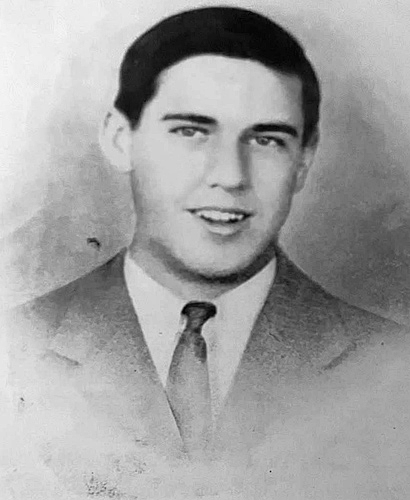
James Walter Taylor, III was born on July 18, 1928, in West Chester, Pennsylvania. He was the first child of J. Walter Taylor (James Walter Taylor, Jr., 1902–1975) and May Taylor (née Deputy, 1900–1986). Nicknamed Jimmy, Taylor had a younger sister, Joanne Taylor (later Linton).
Taylor was recorded on the census in April 1930 living in Claymont, Delaware, with his parents and paternal grandmother. His father was described as working as assistant secretary of an incorporating company. The Morning News later reported that in 1938, the elder Taylor “became assi[s]tant to the president of the Security Trust Co., Wilmington[.]”
Taylor was recorded on the next census in April 1940 living with his parents, sister, and both of his grandmothers on Philadelphia Pike in Claymont. His father’s occupation was listed as bank executive.
Taylor attended Claymont High School. Journal-Every Evening reported that on June 7, 1944, at the end of 10th grade, Taylor was among the recipients of the “scholarship ‘C’ award” for “having been on the school honor roll for at least four of the six marking periods[.]” The paper also reported that Taylor was his class’s president.
Civil Air Patrol Career
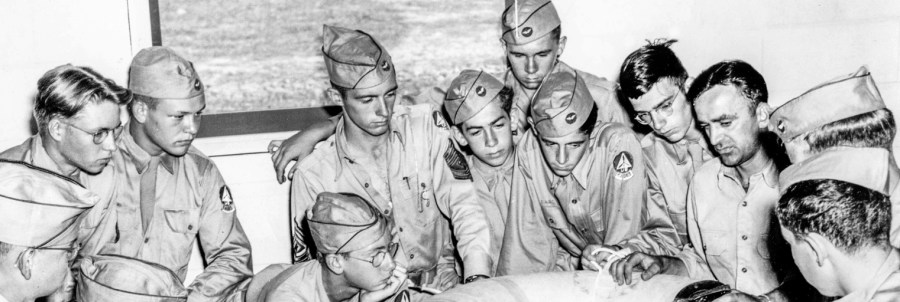
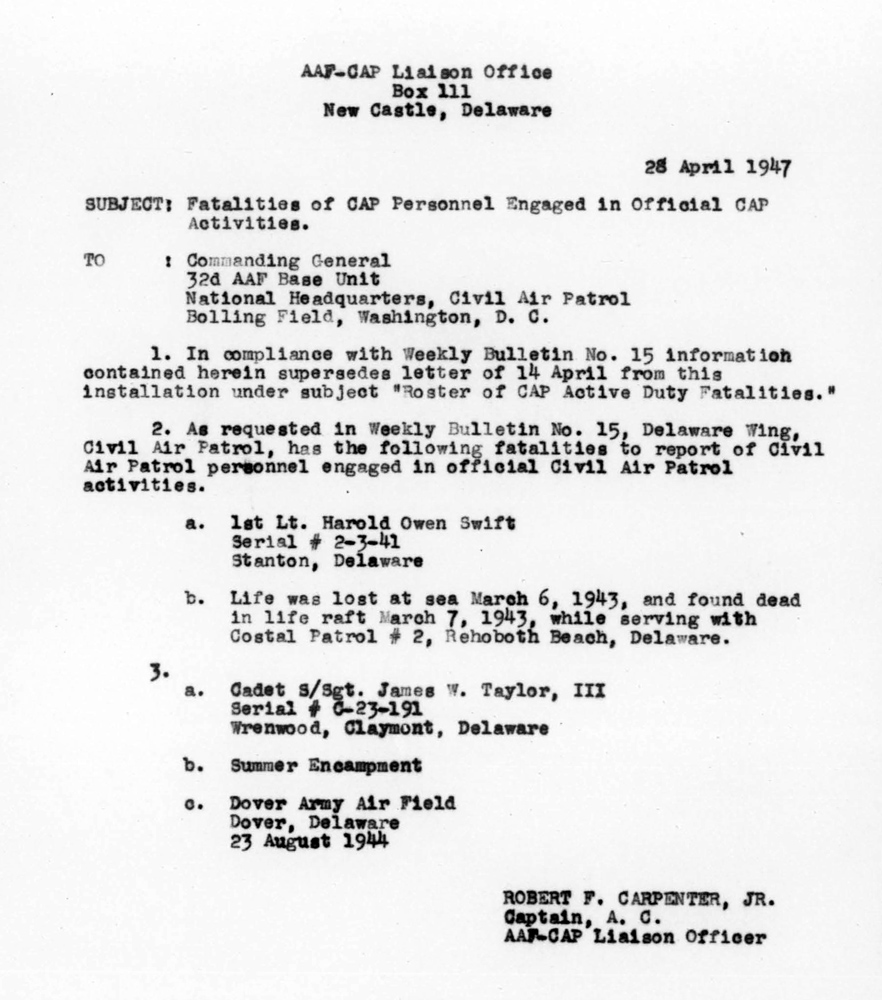
According to his father’s statement to the Public Archives Commission, on November 29, 1943, Taylor became a cadet in the Civil Air Patrol (C.A.P.), assigned to the Wilmington Squadron, Delaware Wing. Taylor’s father stated that his son was promoted to cadet staff sergeant on January 29, 1944. No individual records for Taylor are known to have been retained in any archives, though a document about C.A.P. loses in Delaware confirms his grade and service number.
During the summer of 1944, Taylor had the opportunity to attend a summer camp downstate. The Wilmington Morning News reported in an article printed on August 17, 1944:
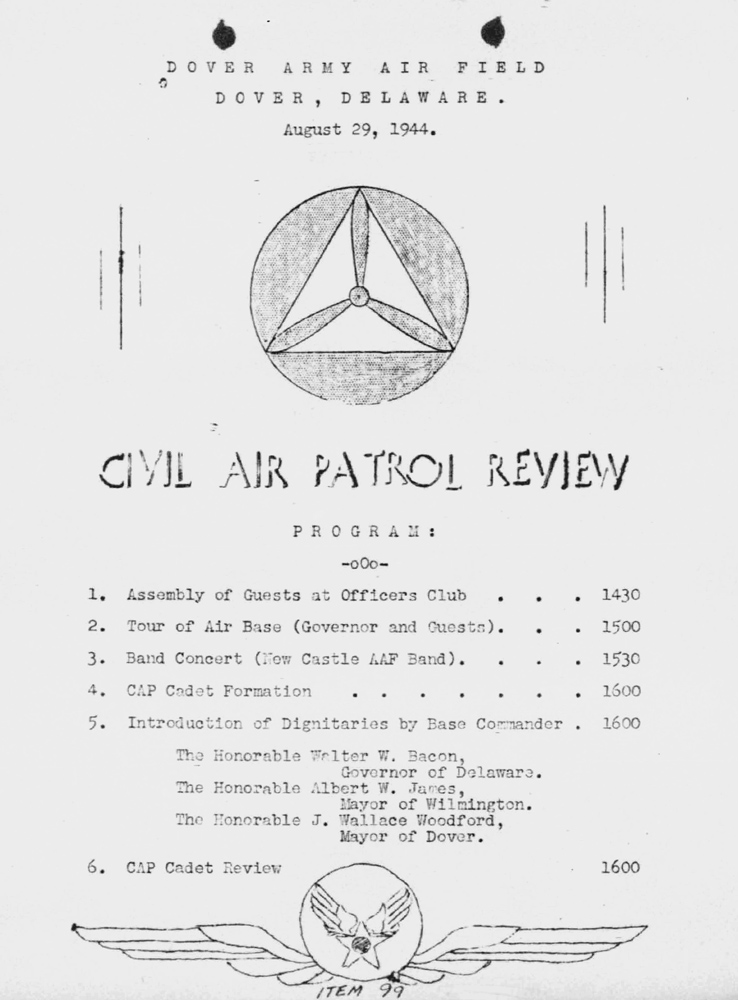
Twenty-four Wilmington boys, 15 to 18 years of age, and a group from downstate who have enrolled in the Civil Air Patrol Cadet Corps as a step toward an aviation career, soon will have 10 days’ training at the Dover Army Air Field, it was announced yesterday by officers of the Wilmington squadron of the Delaware Wing of the CAP.
Delaware’s two squadrons, numbering 25 men each, with one officer, will go to camp in a national training program, involving 9,000 cadets. They will be trained in infantry drill, flying inspection, mechanical work, and other aspects of wartime flying.
Only about 20 per cent of the cadets in each of the 48 state wings will be enabled to go to the camps this summer. Each must have his parents’ consent and is selected on a basis of proficiency in drill and studies, attendance, military bearing, discipline, and aptitude.
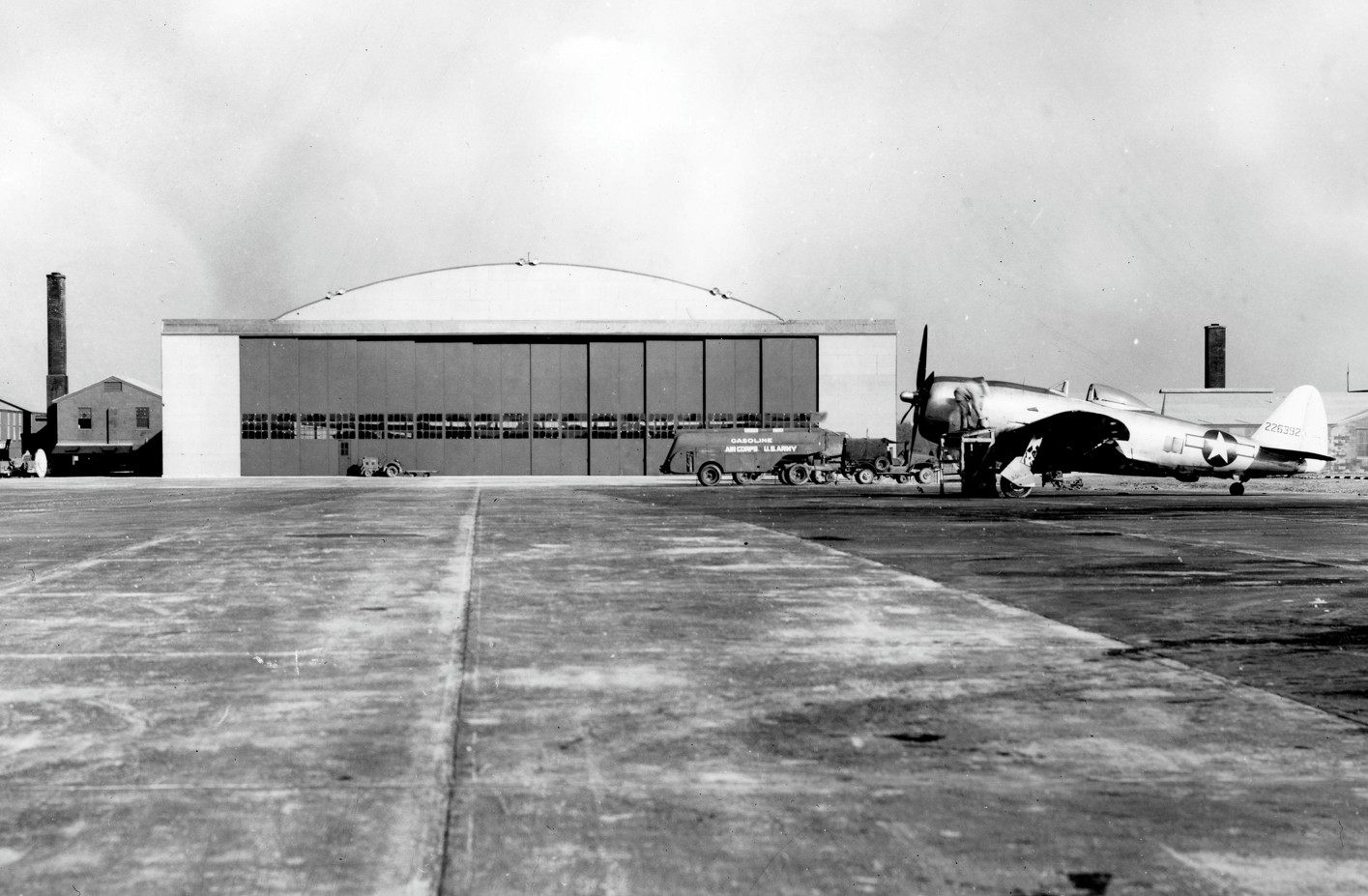
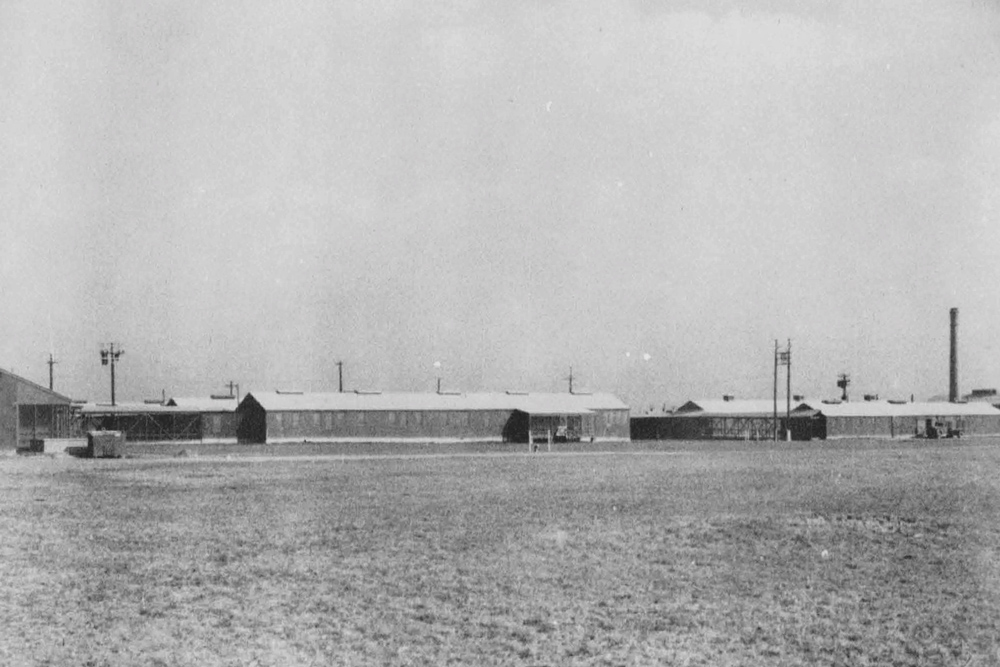
Taylor and the other cadets selected for the camp—25 from Delaware and another 30 from Maryland and Virginia—arrived at Dover Army Air Field, Delaware, on the morning of Saturday, August 19, 1944. At the time, the base’s primary mission was training P-47 Thunderbolt fighter pilots.
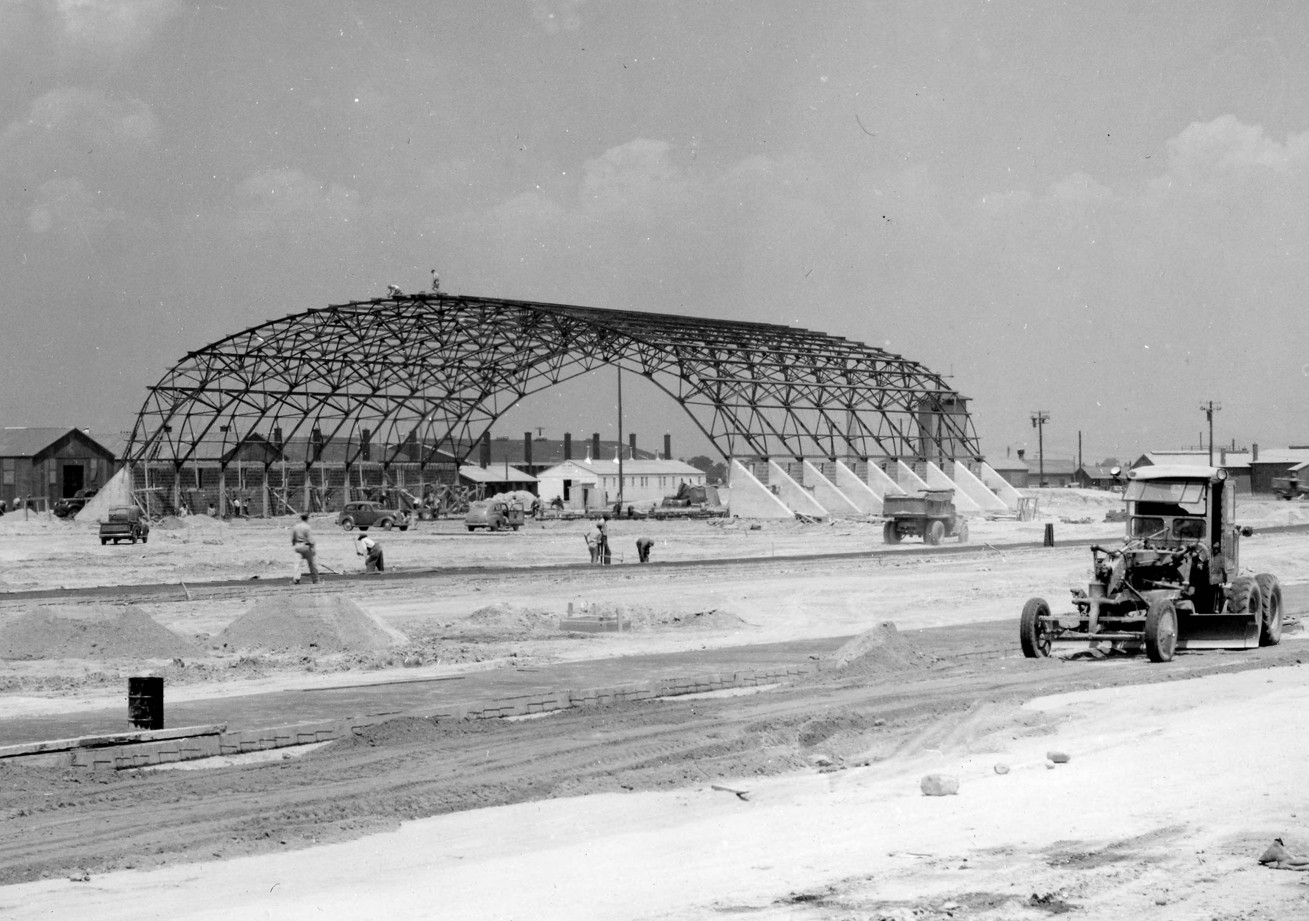
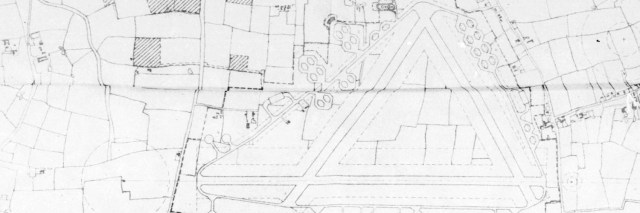
The field, originally just 587 acres (0.91 square miles) and completed in 1941 as Dover Municipal Airport, was leased by the Army Air Forces on December 17, 1941, just after the attack on Pearl Harbor, and greatly expanded by the military. It was referred to by several names in subsequent years until Dover Army Air Field became official on February 2, 1944, per War Department Circular No. 46. Interestingly, the original terms of the lease required the War Department to return the 587 acres to the City of Dover six months after the end of the war. In the event, the site, now Dover Air Force Base, became even more important postwar and remains a major facility.
Another article in the Wilmington Morning News described the camp experience:
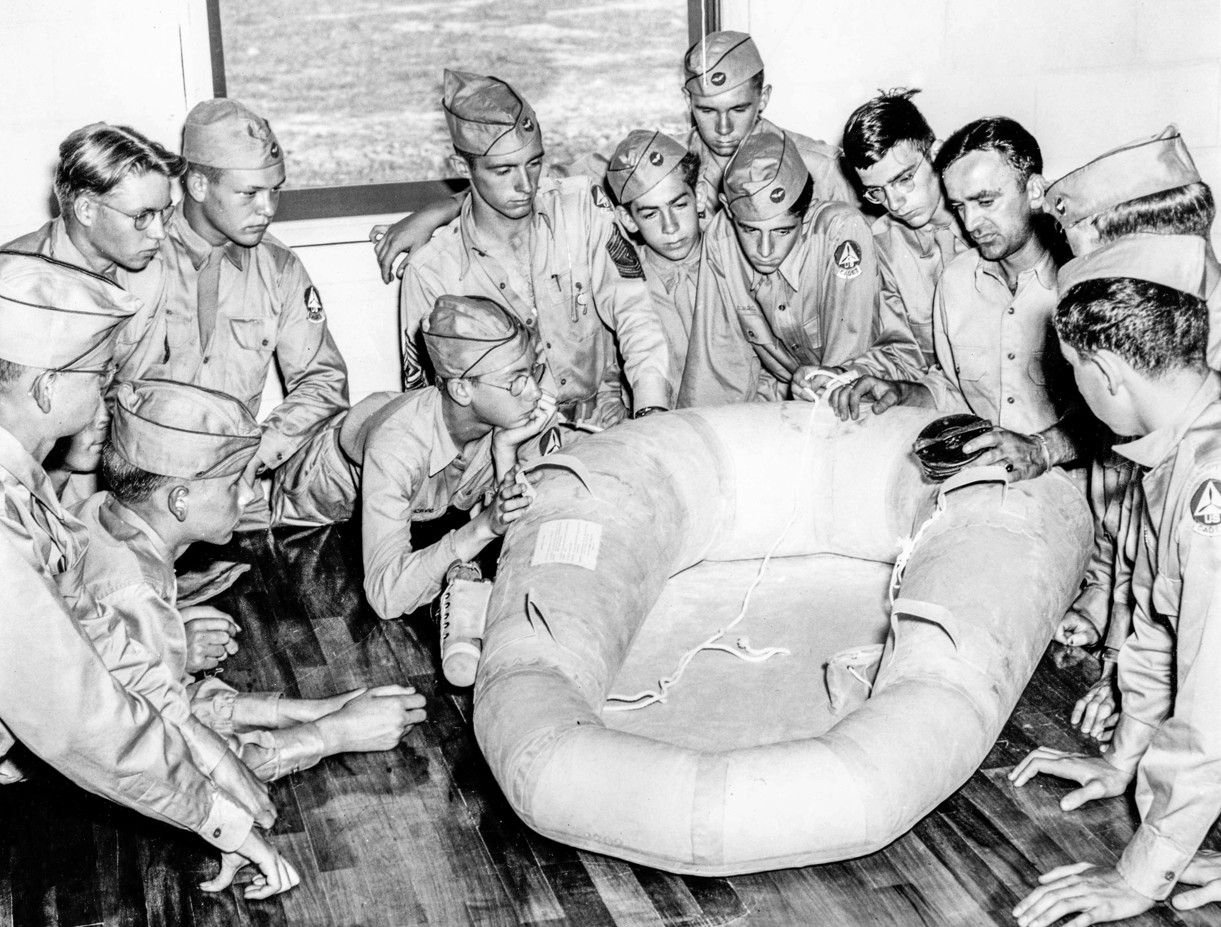
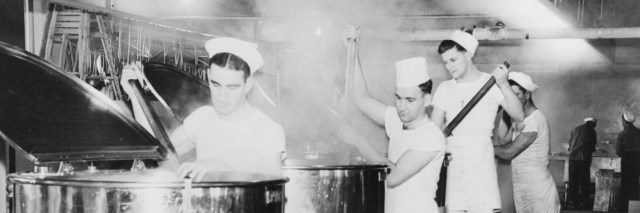
During their 10-day stay at the air field the youth live in the same barracks and eat at the same mess halls as regular enlisted men. They receive daily instruction in infantry drill and physical training. They are conducted on extensive tours of the hangars, flight line, and other installations on the field, and attend special lectures and training movies on military regulations and customs.
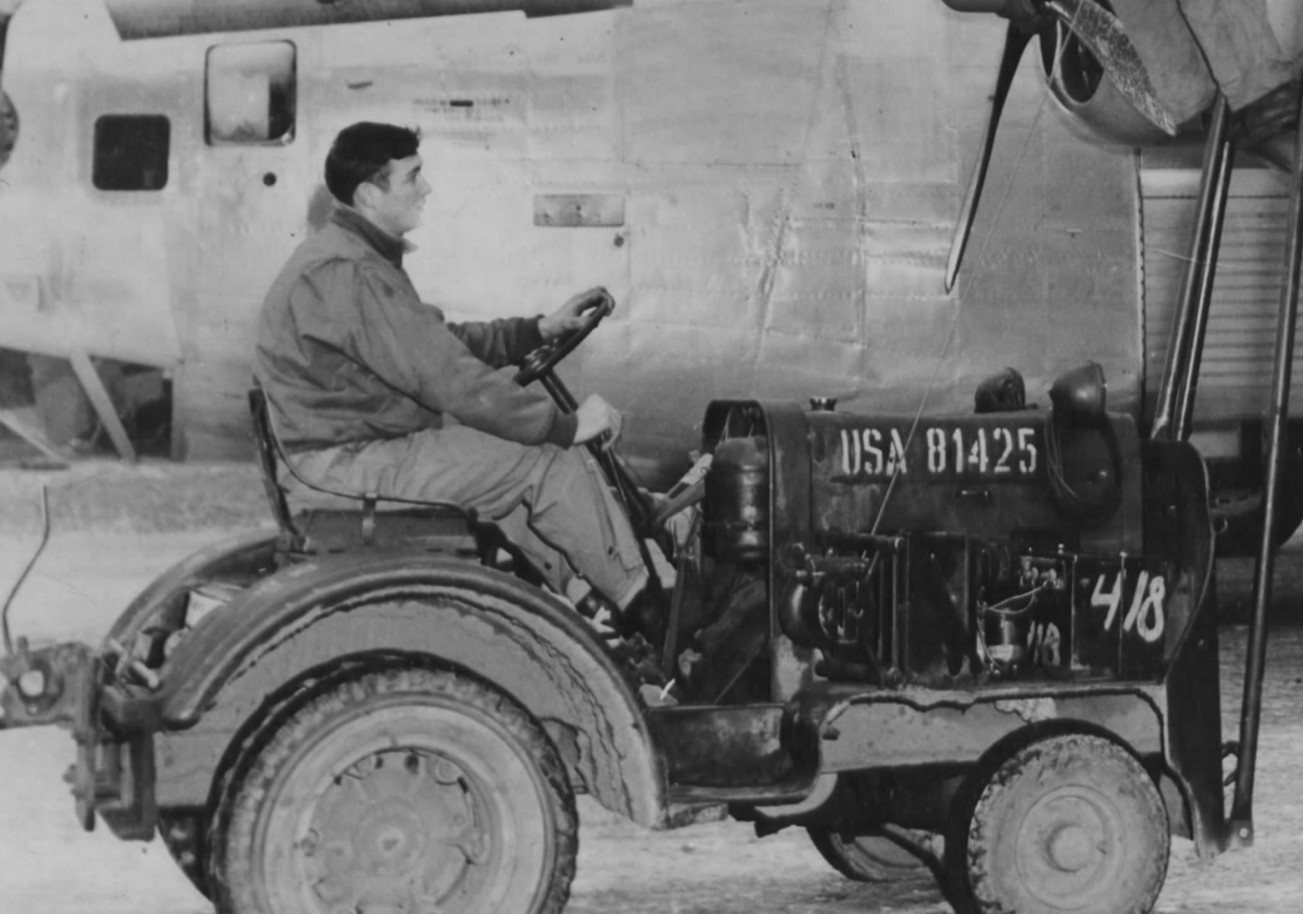
Journal-Every Evening reported that on Tuesday, August 22, 1944, Taylor and other cadets were “assisting Army men [preparing] airplanes for flight[.]” It was a beautiful day, with highs in the upper 70s, mild for summer in Delaware. The paper stated that Taylor and three other boys—Cadet 1st Sergeant Martin Dwyer, Cadet Staff Sergeant Colvin Franklin, and Cadet Staff Sergeant Donald Lynam—were
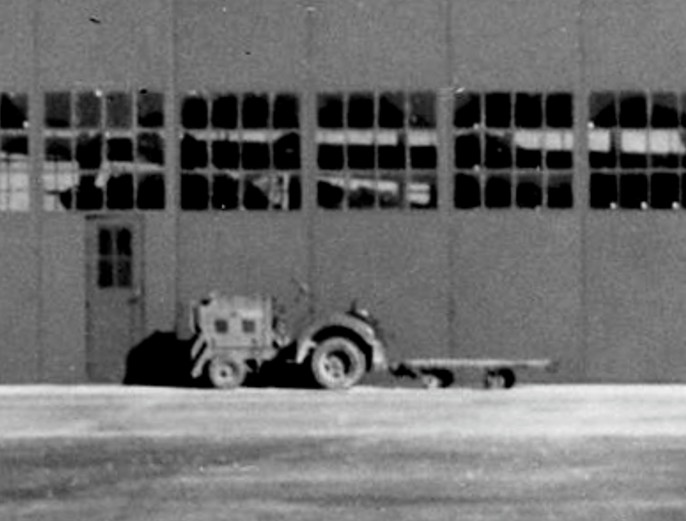
riding on the rear of the air field “tug”—a small tractor—and it is believed he touched the hot exhaust pipe, lost his balance, and fell to the concrete ramp. The tractor was going not more than 12 miles an hour.
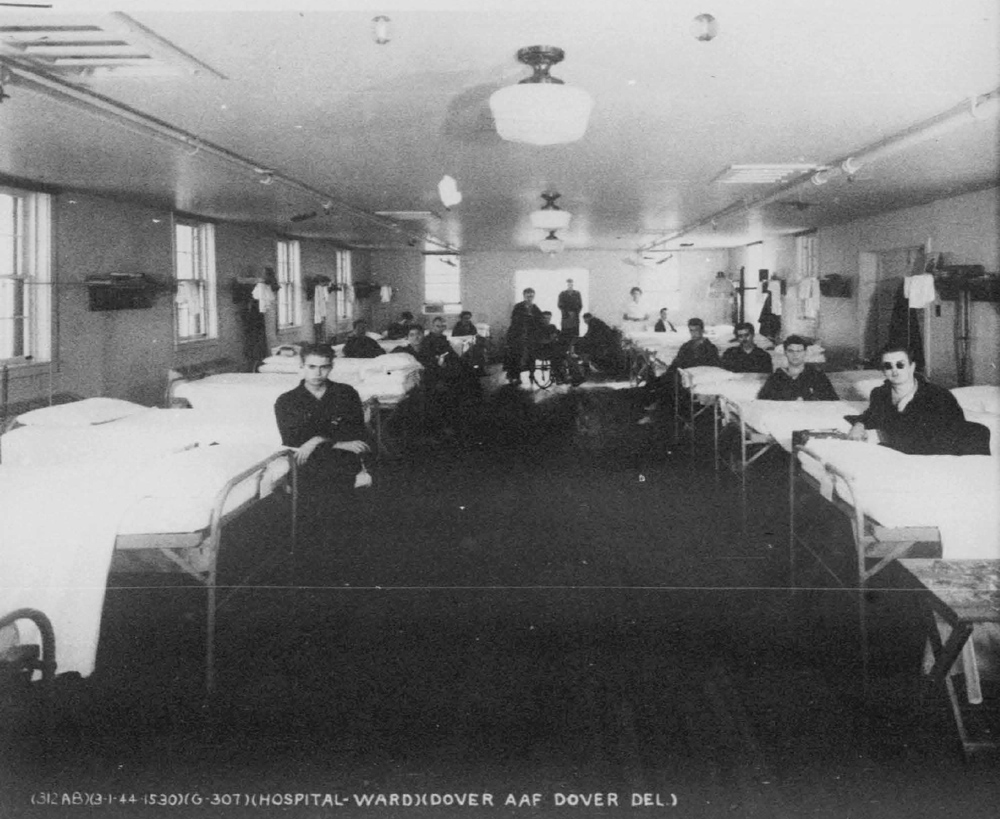
Although Taylor fell only a short distance—the platform on the back of the tug was only two feet off the ground—he suffered a severe head injury when he struck the ground. He was rushed to the base hospital, where he died at 1500 hours the following day, August 23, 1944. The following day, Journal-Every Evening reported a dubious conclusion by authorities: “Airport officers said today the investigation of the Army showed that no one was at fault and that the accident was unavoidable.”
After his funeral in Claymont, Taylor was buried at Union Hill Cemetery in Kennett Square, Pennsylvania. Journal-Every Evening reported on August 26, 1944, that he “was buried today with full military honors—an Army chaplain, a firing squad, and a bugler blowing taps.” The officiant was the chaplain from Dover, Earl R. L. Landtroop (1899–1987). His fellow C.A.P. cadets served as pallbearers, including the three boys who had been riding on the tug at the same time. Taylor’s parents were also buried there after their deaths.
The 1946 Claymont High School yearbook was dedicated: “To James Walter Taylor, Jr., an able leader, worthy classmate and loyal friend, who lost his life at the Dover Army Air Base while serving in the Civil Air Patrol Cadets, we dedicate the Clay Tablet of 1946.” His name is honored at Veterans Memorial Park in New Castle, Delaware.
Acknowledgments
Special thanks to Raymond J. Harrington for the photo from Taylor’s yearbook and to Frank A. Blazich, Jr. for contributing C.A.P. documents.
Bibliography
“CAP Cadet Given Military Rites.” August 26, 1944. Journal-Every Evening. https://www.newspapers.com/article/188596926/
“CAP Cadet’s Injuries Fatal.” August 24, 1944. Journal-Every Evening. https://www.newspapers.com/article/188588166/
Carpenter, Robert F., Jr. “Fatalities of CAP Personnel Engaged in Official CAP Activities.” April 28, 1947. Reel 38911. Air Forces Historical Research Agency, courtesy of Frank A. Blazich, Jr.
Census Record for J. Walter Taylor, Jr. [sic]. April 30, 1930. Fifteenth Census of the United States, 1930. Record Group 29, Records of the Bureau of the Census. National Archives at Washington, D.C. https://www.familysearch.org/ark:/61903/3:1:33S7-9RHM-4M8
Census Record for James Walter Taylor. April 24, 1940. Sixteenth Census of the United States, 1940. Record Group 29, Records of the Bureau of the Census. National Archives at Washington, D.C. https://www.familysearch.org/ark:/61903/3:1:3QSQ-G9MR-M8Y
Certificate of Death for James Walter Taylor, III. August 24, 1944. Record Group 1500-008-092, Death Certificates. Delaware Public Archives, Dover, Delaware. https://www.familysearch.org/ark:/61903/3:1:3Q9M-CSMB-L94T-H
“Chemical Warfare, Small Arms Use Demonstrated.” September 4, 1944. Wilmington Morning News. https://www.newspapers.com/article/194131220/
“Claymont School Awards Given To Honor Pupils.” June 8, 1944. Journal-Every Evening. https://www.newspapers.com/article/188598169/
Draft Registration Card for James Walter Taylor. February 16, 1942. Draft Registration Cards for Delaware, October 16, 1940 – March 31, 1947. Record Group 147, Records of the Selective Service System. National Archives at St. Louis, Missouri. https://www.familysearch.org/ark:/61903/3:1:3Q9M-CSMG-639F-L
“Dover Air Field to Train Cadets.” August 17, 1944. Wilmington Morning News. https://www.newspapers.com/article/191527012/
“Historical Data Headquarters Army Air Base Dover Army Air Field Dover, Delaware Period Covered November 1940, to March 15, 1944.” Undated, c. March 15, 1944. Reel B2161. Courtesy of the Air Force Historical Research Agency.
“Historical Data Headquarters Army Air Base Dover Army Air Field Dover, Delaware Period covered 1 July 1944 to 30 September 1944.” Undated, c. September 30, 1944. Reel B2161. Courtesy of the Air Force Historical Research Agency.
“J. Walter Taylor, 72, former executive, dies.” August 8, 1975. The Morning News. https://www.newspapers.com/article/188602869/
“James Walter Taylor III.” Find a Grave. https://www.findagrave.com/memorial/157342442/james-walter-taylor
“James Walter Taylor Jr.” Find a Grave. https://www.findagrave.com/memorial/157342726/james-walter-taylor
“May D. Taylor.” February 12, 1986. Evening Journal. https://www.newspapers.com/article/188586278/
Military Record and Report of Separation for Earl R. L. Landtroop. May 25, 1945. Collection 1973–019, New Mexico Adjutant General Records. New Mexico State Records Center and Archives, Santa Fe, New Mexico. https://www.ancestry.com/imageviewer/collections/8867/images/41979_1220705043_1208-01691
“Military Rites Today for James W. Taylor.” August 26, 1944. Wilmington Morning News. https://www.newspapers.com/article/188598660/
Taylor, J. Walter. Individual Military Service Record for James Walter Taylor, III. April 11, 1956. Record Group 1325-003-053, Record of Delawareans Who Died in World War II. Delaware Public Archives, Dover, Delaware. https://cdm16397.contentdm.oclc.org/digital/collection/p15323coll6/id/21053/rec/1
Last updated on March 24, 2026
More stories of World War II fallen:










To have new profiles of fallen soldiers delivered to your inbox, please subscribe below.
 Delaware's World War II Fallen