| Hometown | Civilian Occupation |
| Rehoboth Beach, Delaware | Assistant manager at A&P store |
| Branch | Service Number |
| U.S. Army | 32065439 |
| Theater | Unit |
| European | Company “F,” 8th Infantry Regiment, 4th Infantry Division |
| Military Occupational Specialty | Campaigns/Battles |
| 745 (rifleman) and/or 345 (truck driver, light) | Normandy, Rhineland |
Early Life & Family
Samuel Riley Evans was born in Havre de Grace, Maryland, on the morning of June 16, 1916. Nicknamed Sam, he was the second child of Scott Samuel Evans (1894–1950) and Ella L. Evans (née Ewing, 1890–1923). His mother was from a wealthy family, while his father was a grocery store clerk who later worked as a house painter before serving as custodian at Rehoboth Public School from 1943 until his death. Evans had an older sister, Ella Lind Evans (later King, 1914–2008) and a younger sister, Hazel Dorothy Evans (later Stannert, 1919–1948).
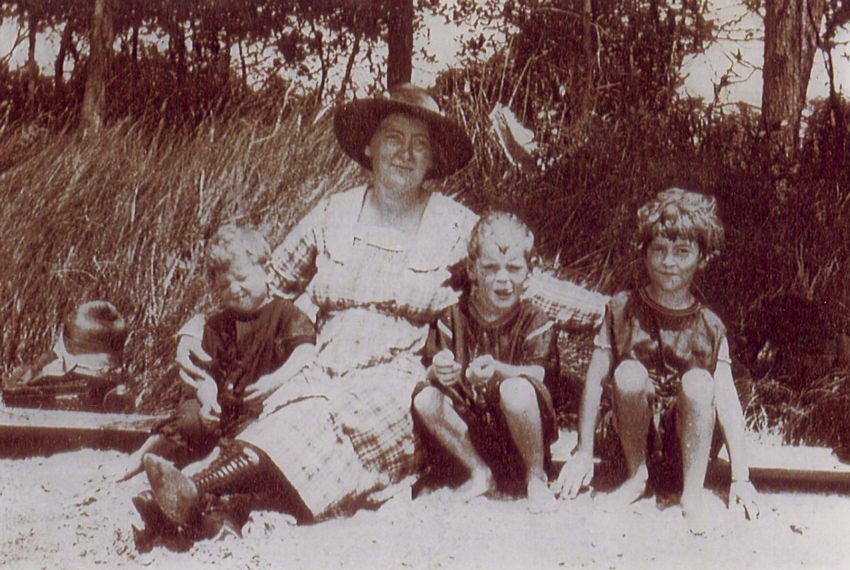
The Evans family had moved to Rehoboth Beach, Delaware, by January 27, 1919, when Hazel was born. The family was recorded on the census in January 1920 living on Maryland Avenue in Rehoboth Beach. Not long after, the family moved a short distance west to 53 Lake Avenue in the same town. It appears that Evans resided there until he entered the service.
Around December 26, 1922, Evans’s mother became sick with influenza. She developed bronchopneumonia and died on January 2, 1923. Evans was just six years old. The following year, on October 15, 1924, Evans’s father remarried, to Lucy Carpenter (1896–1960), with whom he had two additional sons: Floyd Richard Evans (1926–2012) and Walter Morris Evans (1931–1999).
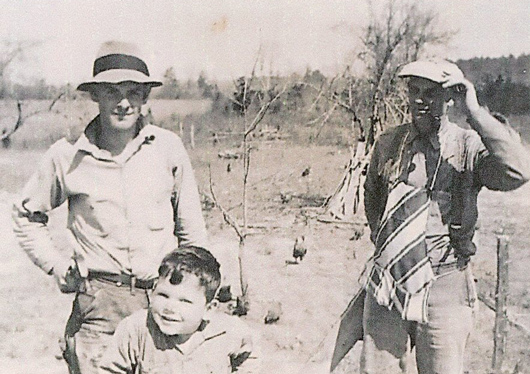
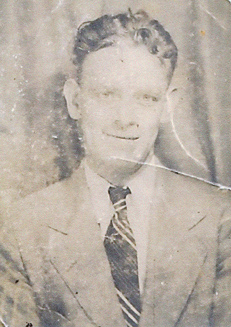
The 1940 census described Evans as a grocery store clerk with an 8th grade education, whereas his enlistment data card stated that he had completed one year of high school. Journal-Every Evening reported that Evans “attended the Rehoboth school, and before entering the Army in 1941 had been employed as assistant manager of the Rehoboth A&P Store.” Evans’s induction paperwork stated that he had worked for four years as a grocery clerk, earning $19 per week. A military medical record described his civilian occupations as “Farming & clerking.”
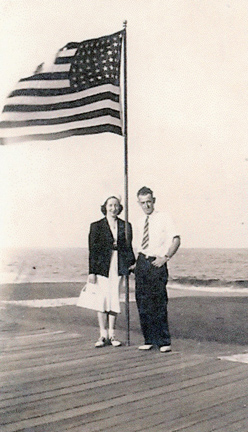
Military Career
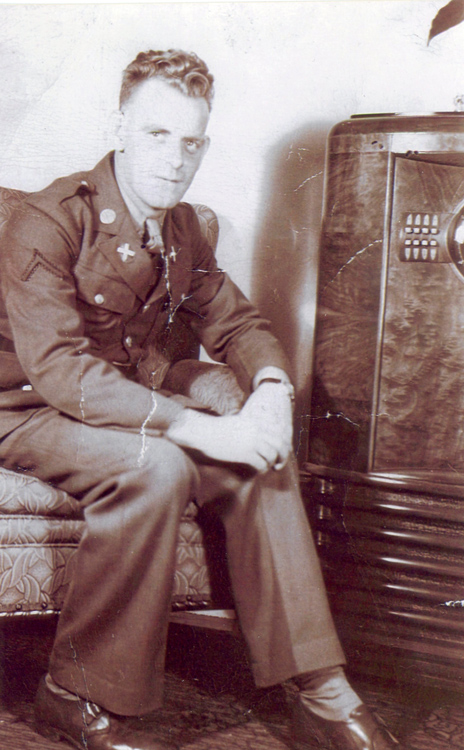
After he was drafted, Evans reported as instructed at Georgetown, Delaware, on January 8, 1941. It was still 11 months before the attack on Pearl Harbor. He traveled to the induction center in Trenton, New Jersey, where he joined the U.S. Army. At the time, Evans was described as standing five feet, six inches tall and weighing 129 lbs., with red hair and gray eyes. The same day he was assigned to Company “K,” 1229th Reception Center, Fort Dix, New Jersey. By January 10, 1941, he had been tested and his specification serial number classified as 521, basic, indicated that the Army had determined that his civilian skillset was not applicable to any military job. He transferred to the 44th Division, also stationed at Fort Dix, per Special Orders No. 8, Headquarters 1229th Reception Center, Fort Dix, New Jersey, dated January 11, 1941, and effective January 13.
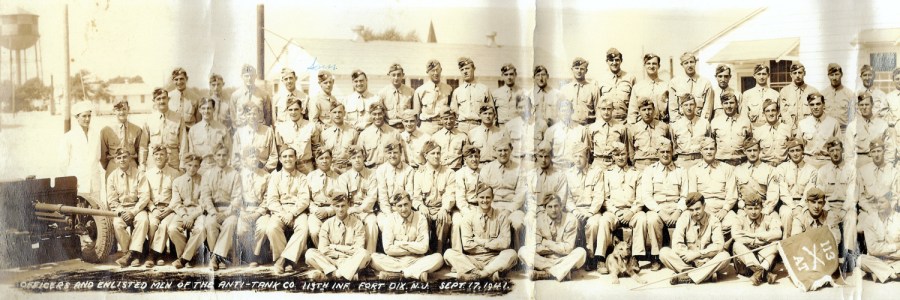
On January 16, 1941, Evans was among a group of recruits who joined Antitank Company, 113th Infantry Regiment, 44th Division. The company had only just been activated 10 days earlier, meaning the cadre had to get the unit up and running while also providing basic training to the assigned selectees. The unit’s morning reports over the next few months give a few glimpses of the training program, including time on the rifle range and performing tactical problems.
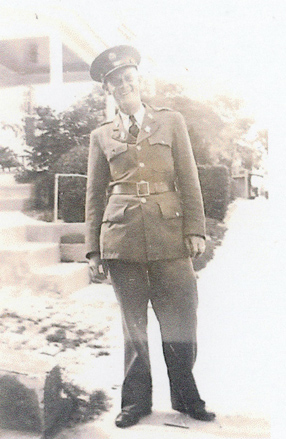
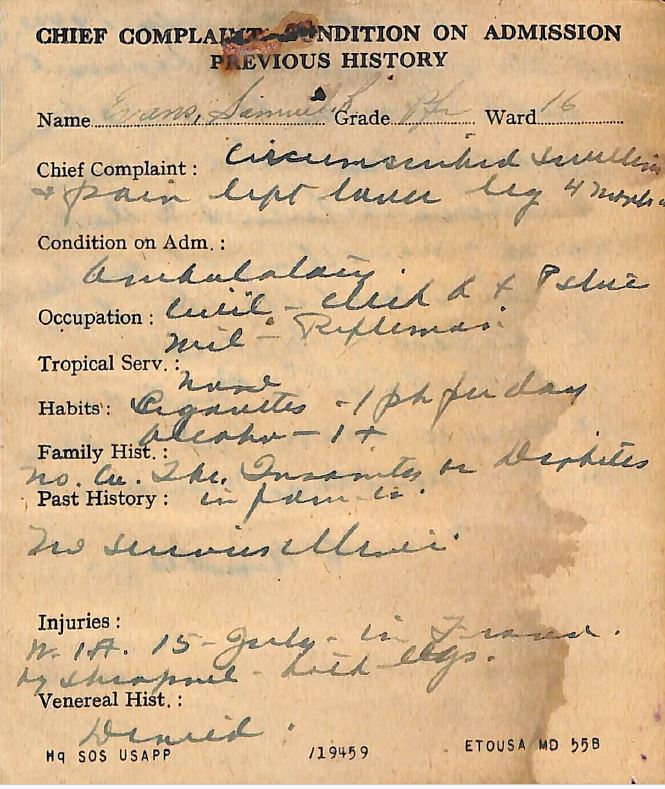
Miraculously, a portion of Evans’s personnel file survived the 1973 National Personnel Records Center fire which destroyed the vast majority of U.S. Army personnel records from the World War II era. The remaining portion of his file, which was severely charred in the fire, pertains mostly to his military medical records.
Evans was hospitalized during March 6–11, 1941, at the Station Hospital, Fort Dix, New Jersey. He went on furlough on June 13, 1941, returning to duty 10 days later.
On the evening of July 17, 1941, Private Evans and his company left Fort Dix, heading south. After a stop the following day at Fort George G. Meade, Maryland, the unit arrived at A.P. Hill Military Reservation, early on the morning of July 19.
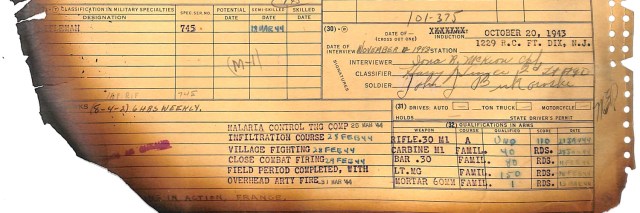
A company roster from the end of July 1941, the earliest extant one listing duty codes, described Private Evans’s duty as 245, heavy truck driver. Another roster, dated November 30, 1941, listed Evans’s duty code as 245 but his military occupational specialty (M.O.S.) as 745, rifleman. That suggested that he had qualified in the rifleman M.O.S. but with no available slot for that in an antitank company, he was assigned a duty different than his M.O.S. The roster dated February 28, 1942, indicated a change in duty code to 215. Although puzzling in the context of an antitank company, that code corresponds to storage battery electrician, which was responsible for recharging and maintaining vehicle batteries. His M.O.S. remained rifleman. A roster dated July 31, 1942, reflected a change in duty back to 245, heavy truck driver.
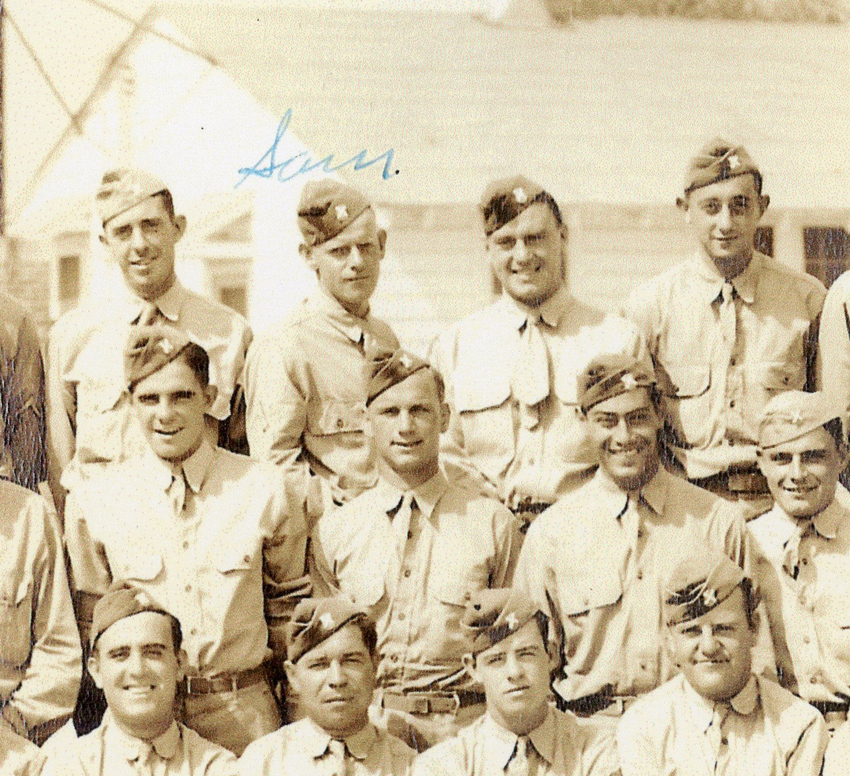
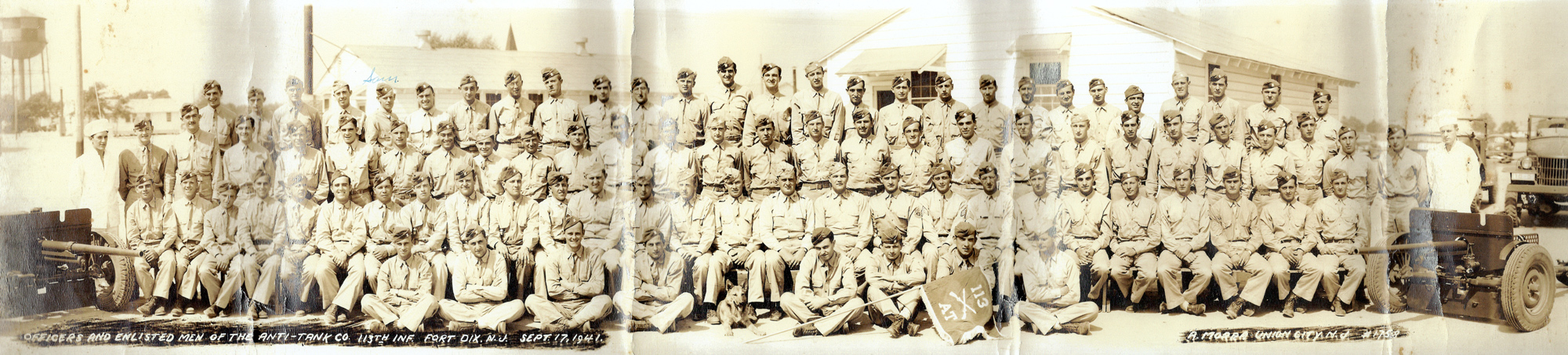
Evans was promoted to private 1st class on August 21, 1941. The following day, his unit returned to Fort Dix. One month later, on September 22, 1941, they moved south again to Fort Belvoir, Virginia. Evans’s company performed a demonstration there on October 2, 1941. The following day, they continued south to North Carolina, and were attached to the U.S. First Army for the field exercises that came to be known as the Carolina Maneuvers. They returned to Fort Dix in early December 1941, around the time of the attack on Pearl Harbor.
On December 15, 1941, Antitank Company moved to Freehold, New Jersey. No movements were recorded on morning reports for the rest of the month, but January 1, 1942, found the unit at Fort Hancock, New Jersey, south of New York City. Evans and the rest of the company remained there through at least January 7. Although some records on the company’s movements are missing from January 8, 1942, until June 9, 1942, rosters place the company at Fort Hancock at the end of each month from February to May 1942.
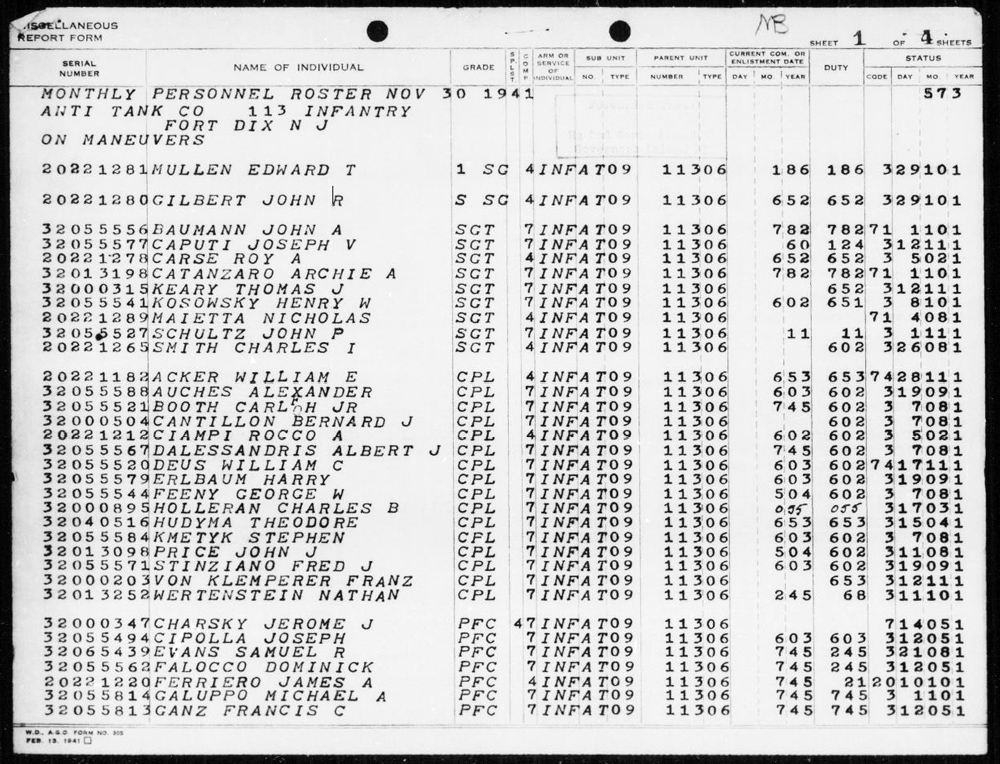
On January 16, 1942, shortly after the U.S. entry into World War II, the 44th Division became the 44th Infantry Division. At that time, the U.S. Army was in the process of converting its old “square” divisions (each with four infantry regiments) to “triangular” divisions (three infantry regiments). As a result, on February 16, 1942, the 113th Infantry Regiment was detached from the 44th Infantry Division. It was assigned to General Headquarters on February 20, 1942, and then to Eastern Defense Command from April 30, 1942, onward. Although there was never a real threat of invasion, during the frightening days after the attack on Pearl Harbor, anything seemed possible.
Antitank Company’s morning reports are missing from January 15, 1942, until June 9, 1942. As of June 9, most of the company was on detached service, with Private 1st Class Evans and a group of men from 2nd Platoon assigned to 2nd Battalion, 113th Infantry.
Since shortly after Pearl Harbor, 2nd Battalion had been stationed at the Georgetown Armory in Delaware, though the battalion’s individual rifle companies were scattered around southern Delaware and southern New Jersey on both sides of Delaware Bay. Though it is unclear exactly where Evans was stationed during this period, unlike many soldiers, he was tantalizingly close to home.

On July 15, 1942, Evans rejoined the rest of Antitank Company, now stationed back at Freehold, New Jersey. However, on August 16, 1942, he went back on detached service with 2nd Battalion. Then, on September 1, 1942, he was officially transferred to Headquarters Company, 2nd Battalion, 113th Infantry, still based at Georgetown Armory.
Evans was hospitalized at the Station Hospital, Fort DuPont, Delaware, on October 19, 1942. He returned to duty on October 27, 1942.
At some point prior to November 17, 1942, Evans went on a special duty assignment at the Civilian Conservation Corps (C.C.C.) camp in Georgetown. He went on another special duty assignment with Company “F,” 113th Infantry in Woodbine, New Jersey, during November 17–19, 1942, before returning to special duty at the C.C.C. in Georgetown. He went on furlough on December 7, 1942, the anniversary of the attack on Pearl Harbor. He returned to duty at C.C.C. camp on December 12. It is unclear how long he remained in that assignment, but it appears it ended prior to when Evans went on another furlough during April 7–12, 1943, since no return to special duty was recorded when he returned.
On February 3, 1943, Evans’s younger sister, Hazel, enlisted in the Women’s Army Auxiliary Corps, which subsequently became the Women’s Army Corps that summer.
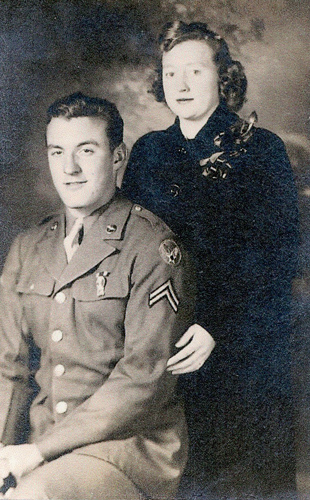
On July 19 or 20, 1943, Evans and 43 other men from his company went on detached service with Company “H,” 113th Infantry at Dias Creek, New Jersey. He left on furlough on August 1, 1943, returning to duty on August 6.
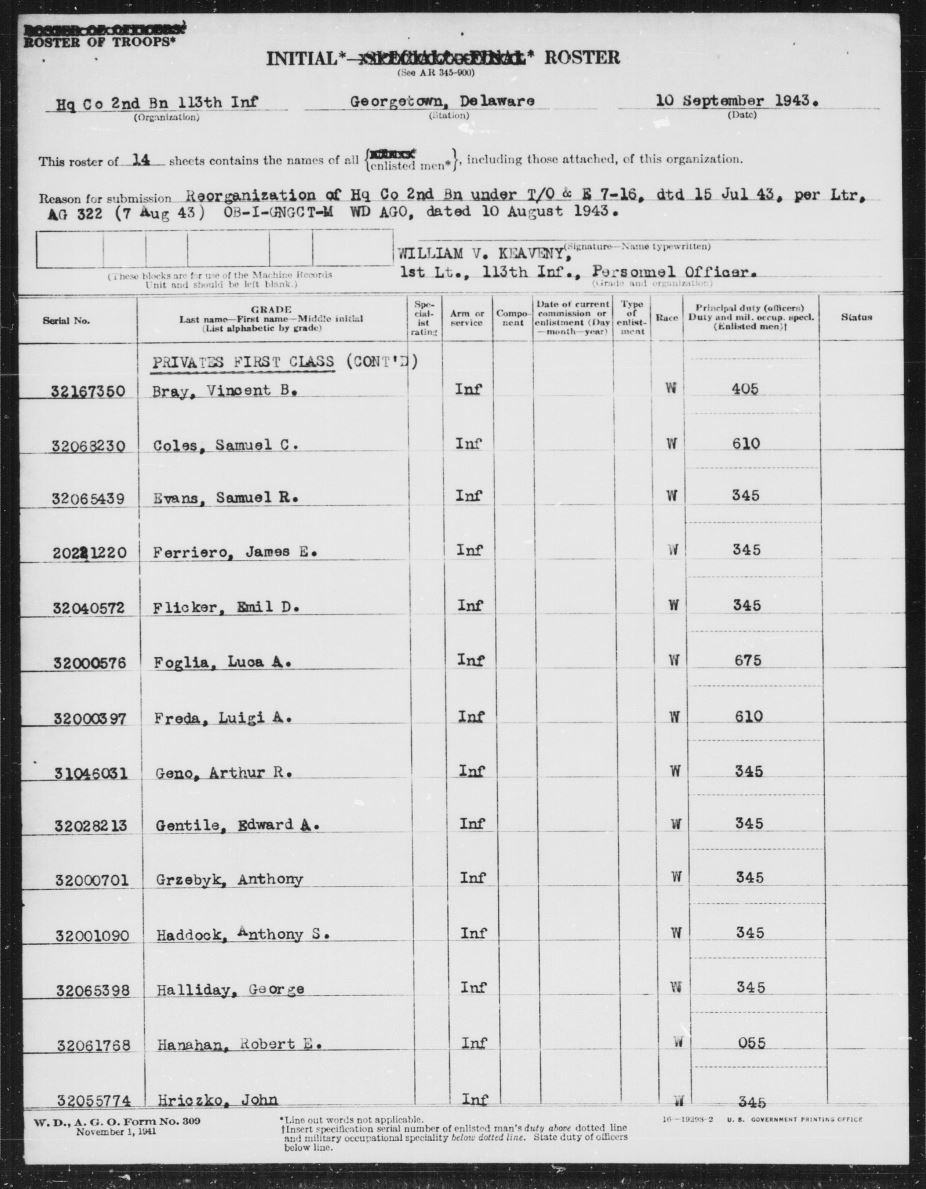
A roster dated September 10, 1943, when Headquarters Company, 2nd Battalion was reorganized under an updated table of organization and equipment, listed Evans’s duty as 345, light truck driver.
On November 13, 1943, Evans and 29 other enlisted men who had been on detached service with Company “H” returned to Headquarters Company, 2nd Battalion, 113th Infantry at Georgetown.
By early 1944, it was abundantly clear that there was no threat of Axis invasion to the continental United States. Rather than sending Evans’s unit overseas, however, planners decided to strip it for replacements. On March 19, 1944, Headquarters Company returned to Fort Dix. On March 28, 1944, a motor convoy headed south to Camp Pickett, Virginia, with the rest of the unit going by rail the following evening. By March 30, 1944, the entire company had reassembled at Camp Pickett.
During April 1944, the men Headquarters Company spent some time on the range at Camp Pickett, primarily firing the M1 carbine. Some members of the unit performed a night infiltration course, but it is unclear if Evans was among them. The ranks of the company dwindled as groups of men were transferred out, many of them destined for units overseas.
Morning reports make it possible to trace Private 1st Class Evans’s path through the arcane network that was the U.S. Army’s replacement system. On April 20, 1944, Private 1st Class Evans was one of 30 enlisted men from his company transferred to Army Ground Forces Replacement Depot No. 1, Fort George G. Meade, Maryland. That same day, Evans and 129 other enlisted men were attached unassigned to and joined Company “D,” 14th Replacement Battalion, 4th Replacement Regiment there. Evans’s military occupational specialty (M.O.S.) code at the time was recorded as 345, light truck driver, but several documents indicate that his duty overseas was 745, rifleman.
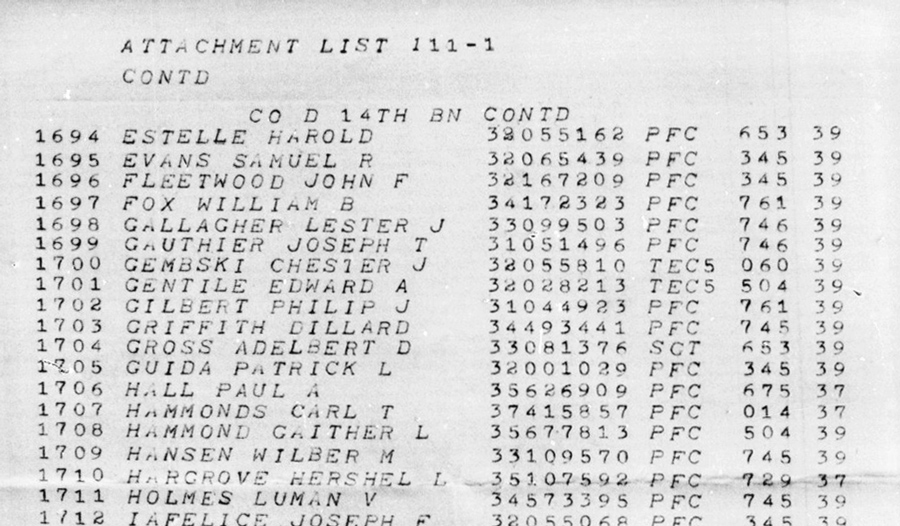
Evans was not at Fort George G. Meade for long. On April 26, 1944, he was assigned to Shipment No. GP-180(a)-A, per Special Orders No. 113, Headquarters Army Ground Forces Replacement Depot No. 1, dated April 22, 1944. Documentation is incomplete, but it appears that he moved to Camp Shanks, New York, by train and then shipped out from the New York Port of Embarkation for the United Kingdom early the following month.
In England, Evans was attached unassigned to Casual Detachment No. 2, 18th Replacement Depot. He was on temporary duty with Headquarters 18th Replacement Depot in Woolacombe, Devon, England, from May 21, 1944, to June 11, 1944. The following day, he was transferred to Casual Detachment No. 7, earmarked for Replacement Detachment No. U18A. Within weeks, he was on the continent.
Combat in Normandy
On June 26, 1944, Private 1st Class Evans and 41 men from the 92nd Replacement Depot joined Company “F,” 8th Infantry Regiment, 4th Infantry Division, which was in combat on the Cotentin Peninsula. The division had sustained heavy casualties during the Normandy campaign since landing on Utah Beach on D-Day 20 days earlier. A contemporary division history stated: “On June 27th the western half of CHERBOURG was placed in the zone of the 4th Division and was taken over by the 8th and 12th Combat Teams[.]” The German garrison at Cherbourg capitulated on June 29, though not before sabotaging the port to render it useless to the Allies until later that summer.
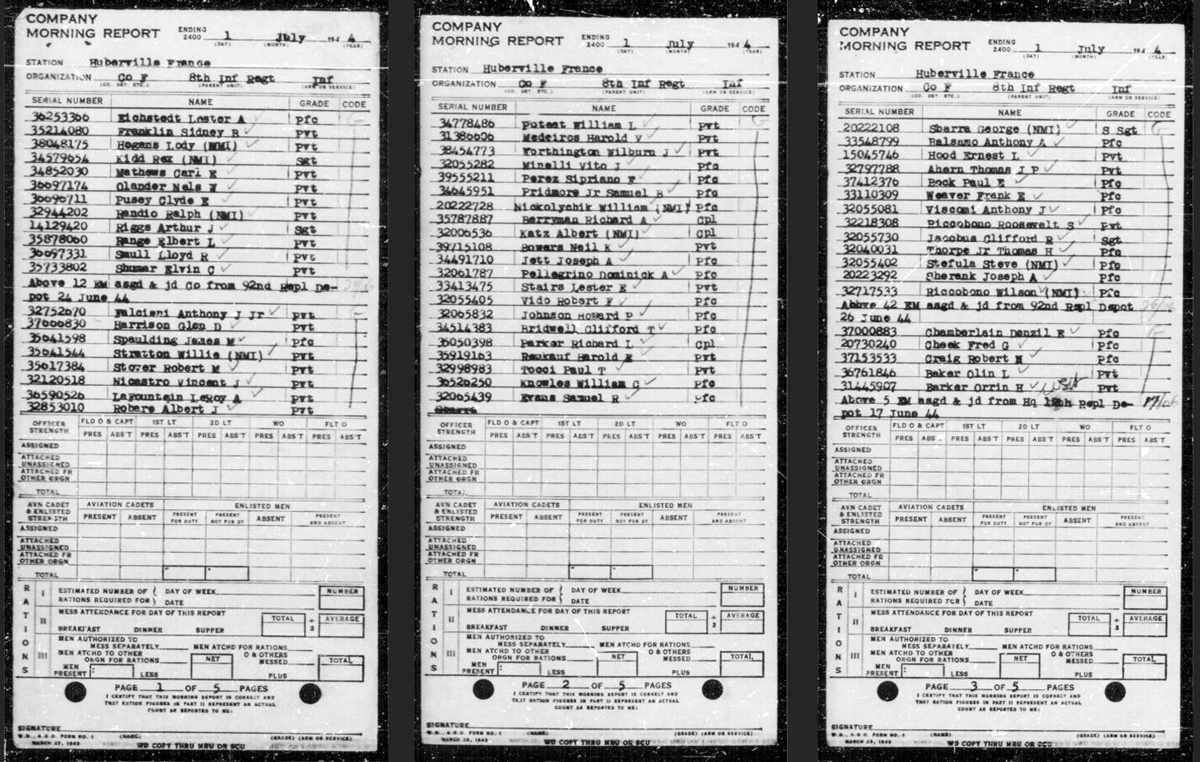
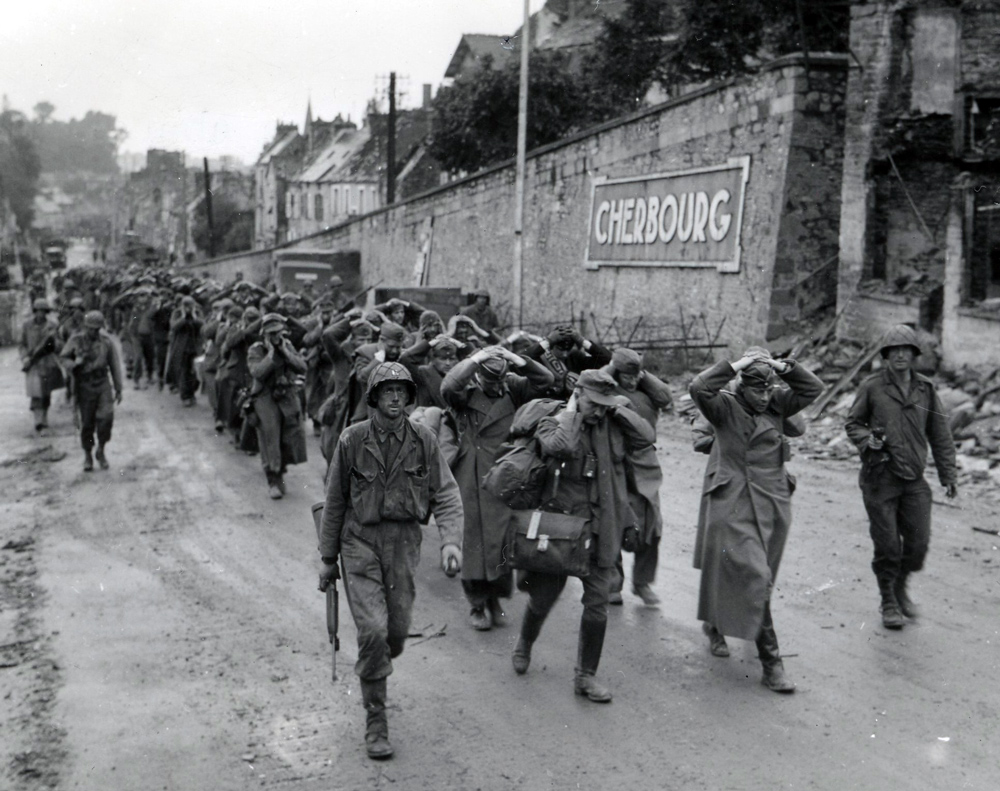
The 4th Infantry Division was relieved at Cherbourg and during “30 June to 4 July 1944, reorganization, training that covered deficiencies and lessons learned in combat, and maintenance of weapons and vehicles was conducted.” The division had been slightly overstrength leading up to D-Day in anticipation of combat losses but had already taken about 5,400 casualties during the Normandy campaign.
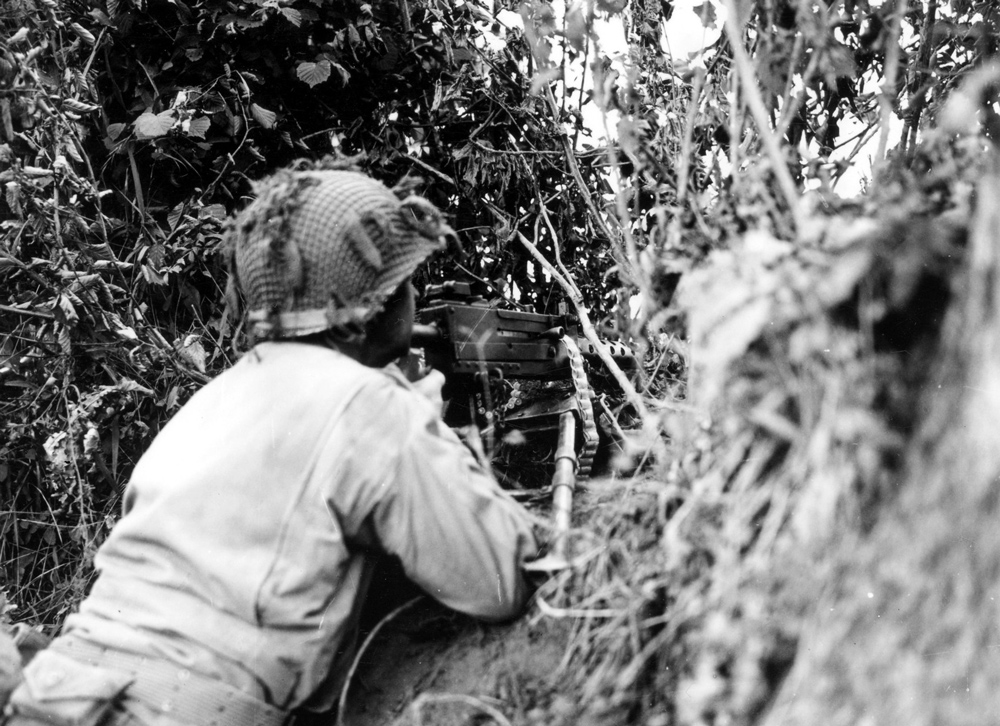
Combat was still raging to the south and the 4th Infantry Division began moving that way on Independence Day 1944. A major reason for the depressing casualty rate was that the hedgerow country in Normandy benefitted the German defenders, limiting the Allied advantages in firepower, mobility, and air superiority. A division operations report explained:
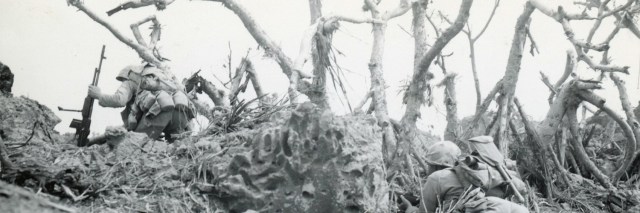
The Germans had put in a defensive line across each narrow neck down the length of the corridor from Carentan to Periers, with plenty of delaying positions between the main lines. All the hedgerows in the defended areas were lined with dugouts, covered foxholes, and weapon emplacements. Cut into the hedgerows from the back, with only a narrow fire slow out thru the front near the base of the hedgerows, these entrenchments were hard to locate even at close range, harder to knock out.
The 12th Infantry was the first of the 4th Infantry Division’s regiments to attack on July 6, 1944, making little headway. According to another contemporary division history, the following day, Evans’s 8th Infantry Regiment “moved up on the right of the 12th Regiment and launched a coordinated attack. The advance was extremely slow and opposition was heavy.” However, a breakthrough by the 12th Infantry that day rendered the enemy’s position untenable, and they withdrew to their next defensive line.
On July 8, the 8th Infantry took the now undefended position and continued their advance. They had not gone far before they ran into another “very strongly entrenched enemy line[.]” 3rd Battalion made two unsuccessful attacks on July 8 and 9. Evans’s 2nd Battalion joined with 3rd Battalion for two more attacks on July 9 and 10. On the afternoon of July 10, 1944, German forces counterattacked but were repulsed. While the enemy was disorganized after their failed counterattack, a fifth American attack, supported by armor and artillery, succeeded spectacularly, annihilating an enemy battalion. Unfortunately, it was the 4th Infantry Division’s only notable success in 10 costly and frustrating days of combat.
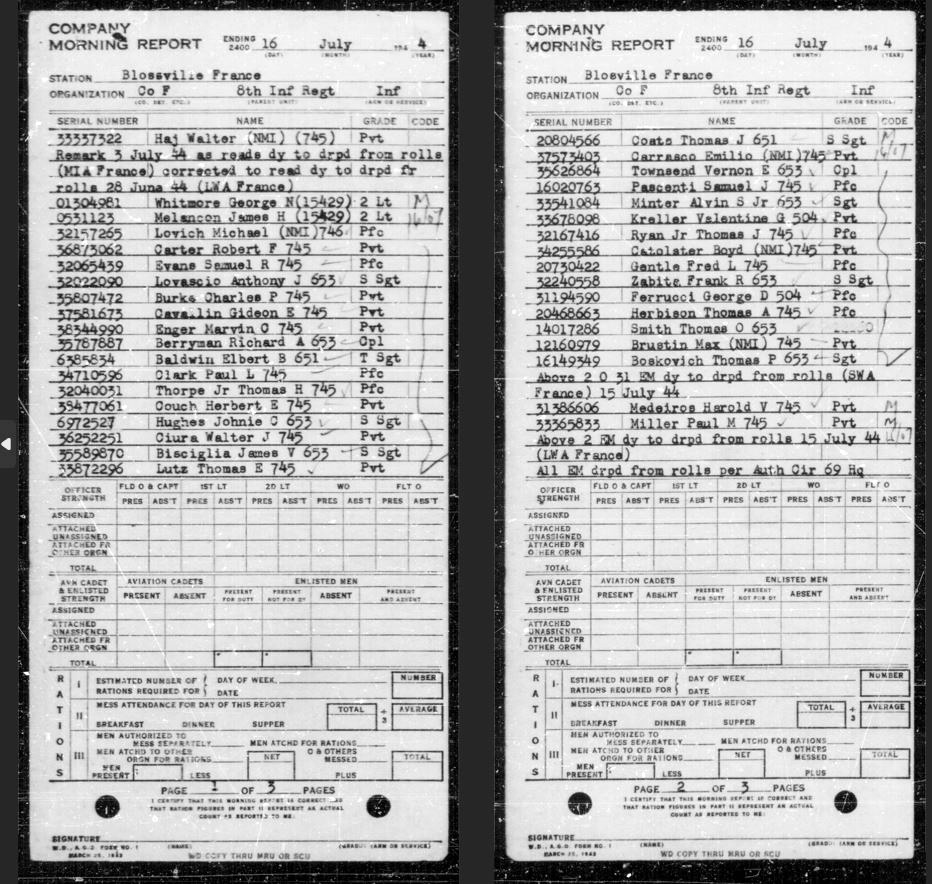
July 15, 1944, was the 4th Infantry Division’s final day driving on Périers, with the 8th Infantry on the right and 12th Infantry on the left. Although the 12th Infantry made some minor gains, the operations report admitted: “The enemy had been pushed back but they were still in front of us and defending strongly.”
In an official U.S. Army history, Breakout and Pursuit, Martin Blumenson wrote that at “end of that day, still four miles short of Périers,” further attacks by the 4th Infantry Division were called off.
Those orders came down a few hours too late to prevent Evans from being seriously wounded in action. According to his medical records, at around 1130 hours on July 15, 1944, Evans was struck in both legs by fragments of a high explosive 88 mm shell. One document stated he was hit in “both calves & upper L. leg.” Another document stated he was hit in the upper third of both thighs.
Blumenson concluded: “The 4th Division was to be relieved and sent into reserve. In ten days of combat it had sustained approximately 2,300 casualties, including three battalion commanders and nine rifle company commanders. Progress at this cost was prohibitive.”
Recuperation & Rhineland Campaign
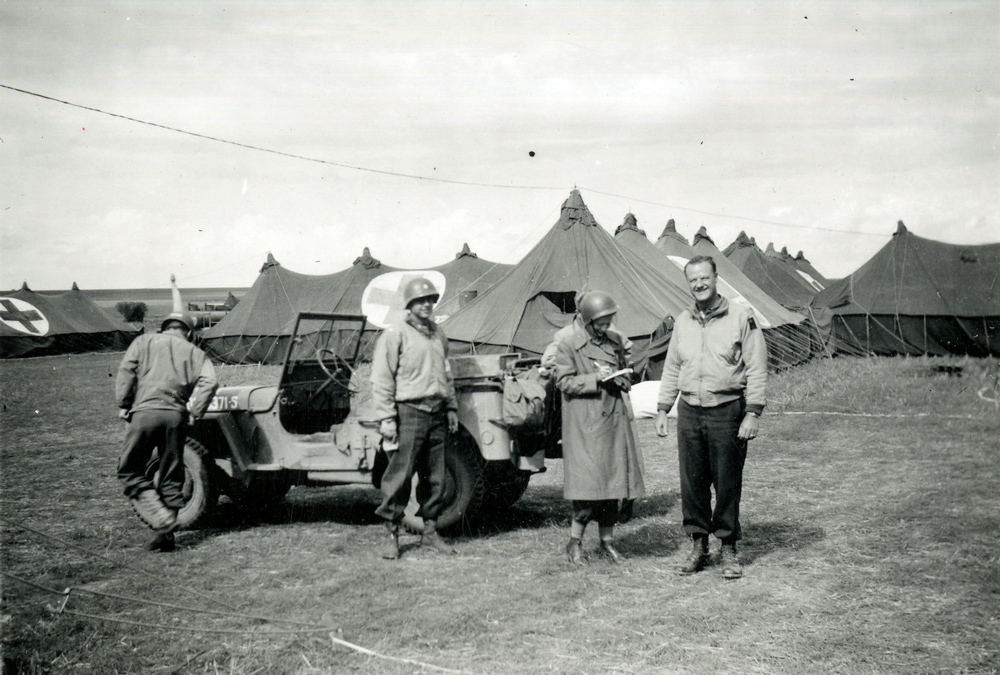
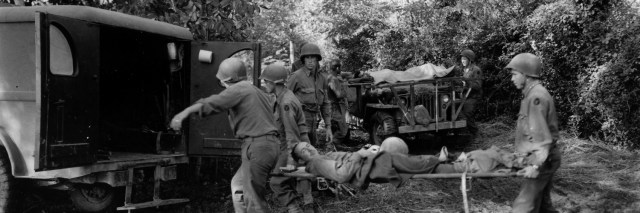
Surviving documentation is incomplete for the first two days after Evans was wounded. Based on general practice, Evans would have passed through multiple links in a chain of survival, with triage and treatment provided at each step. A medic attached to his platoon from the regimental medical detachment would have provided initial care until litter bearers evacuated him to an aid station. He was likely moved by a 4th Medical Battalion ambulance to a collecting station and then a clearing station, before he was transferred to the 42nd Field Hospital that same day.
He was at the 42nd Field Hospital only briefly. A transportation memorandum in his personnel file documented that on the same day he was wounded, the 501st Medical Collecting Company moved Evans from the 42nd Field Hospital to an unidentified destination. This was most likely the 34th Evacuation Hospital in Carentan, France, where his wounds were debrided on July 17, 1944. Soon after that, he was evacuated across the English Channel to the United Kingdom.
On July 20, 1944, Evans was admitted at U.S. Army Hospital Plant 4113 (305th Station Hospital), Wardon Hill, Dorset, England. Four days later, he was transferred by train to Hospital Plant 4143 (97th General Hospital) at Wheatley, Oxfordshire, England. Evans was admitted at Ward 16, where medical personnel assessed and redressed his wounds. At 0915 on July 29, 1944, medical personnel administered morphine and atropine to prepare him for surgery. At 1125 hours, Evans was aestheticized for a brief operation, secondary closure of his leg wounds, which was completed by 1150.
Evans was transferred to Hospital Plant 4145 (318th Station Hospital) at Middleton Stoney, Oxfordshire, England, on July 31, 1944. The following day, Private 1st Class Evans was awarded the Combat Infantryman Badge per General Orders No. 7, Headquarters 8th Infantry Regiment, dated August 1, 1944.
On August 6, 1944, as Evans’s healing continued, medical personnel removed the sutures from his wounds. Physicians monitored him during the rest of the month. Satisfied with his progress, they began the rehabilitation process on or about August 30. However, around September 11, 1944, his file noted that Evans had a herniated muscle in his left leg which was causing him pain. Records around this point in his treatment are severely charred, but it appears that he was transferred to Oxford, England, for surgery at the 91st General Hospital.
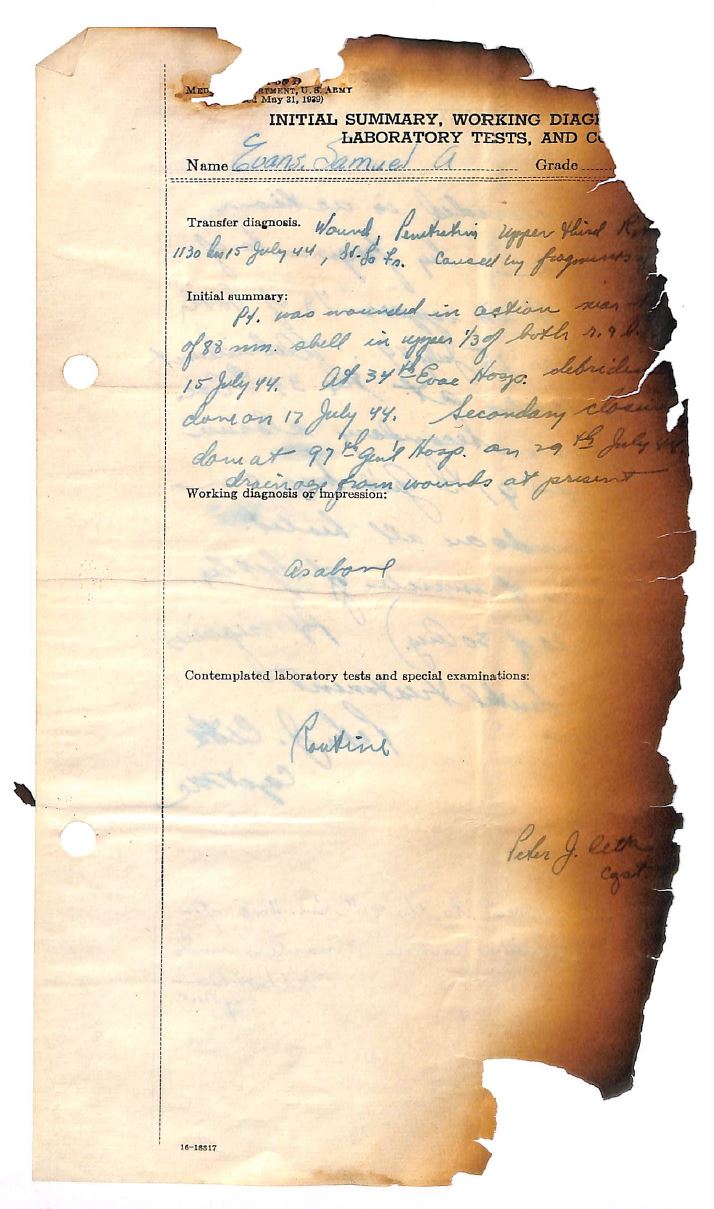
On November 15, 1944, Evans had surgery which successfully repaired the herniated muscle in his left calf. Stitches were removed from his left leg on November 23 and on November 27, he began rehab again.
During his convalescence, Evans missed both the breakout from Normandy and the Allied dash across France that summer, followed by the costly stalemate and German counterattacks of that fall and winter.
On January 30, 1945, Private 1st Class Evans returned to duty, rejoining Company “F,” 8th Infantry in Luxembourg on February 4 via the 38th Replacement Battalion. There would have been few familiar faces from his stint the previous summer, given that his unit had been battered in the Battle of Hürtgen Forest and then the Battle of the Bulge. There was little time to get to know his new comrades, since the 4th Infantry Division had just begun an offensive along the Belgian-German border on January 29.

By February 3, 1945, the 4th Infantry Division was facing the Siegfried Line (Westwall). The division’s objective was to break through the German defenses and eventually take the town of Prüm, Germany, located mainly on the west bank of the river of the same name. The 8th Infantry on the division’s left and 22nd Infantry on the right led the following day’s attack, with the 12th Infantry remaining in reserve. The division history stated:
On 4 February a heavy snow storm aided units on the left to gain complete surprise and take the first line of pillboxes in a pre-dawn attack against almost no resistance. On the following day this initial breach of the line was increased to a frontage of 3500 yards as the key town of BRANDSCHEID and the high ground overlooking SELLERICH were cleared of the enemy. The resistance at BRANDSCHEID was not broken until tank support was employed.
In keeping with their usual doctrine, on February 6, 1945, the Germans launched an aggressive counterattack to forestall an American breakthrough at Brandscheid, Germany, but were repulsed by the 22nd and 358th Infantry Regiments. The following day, the 8th Infantry advanced against Gondenbrett, Germany, with Evans’s 2nd Battalion taking nearby Wascheid.
On the morning of February 9, 1945, the 8th Infantry secured Hermespand, Germany. They established a small bridgehead across the river Prüm there north of the town of Prüm. That afternoon, Evans’s Company “F” moved to Gondenbrett.
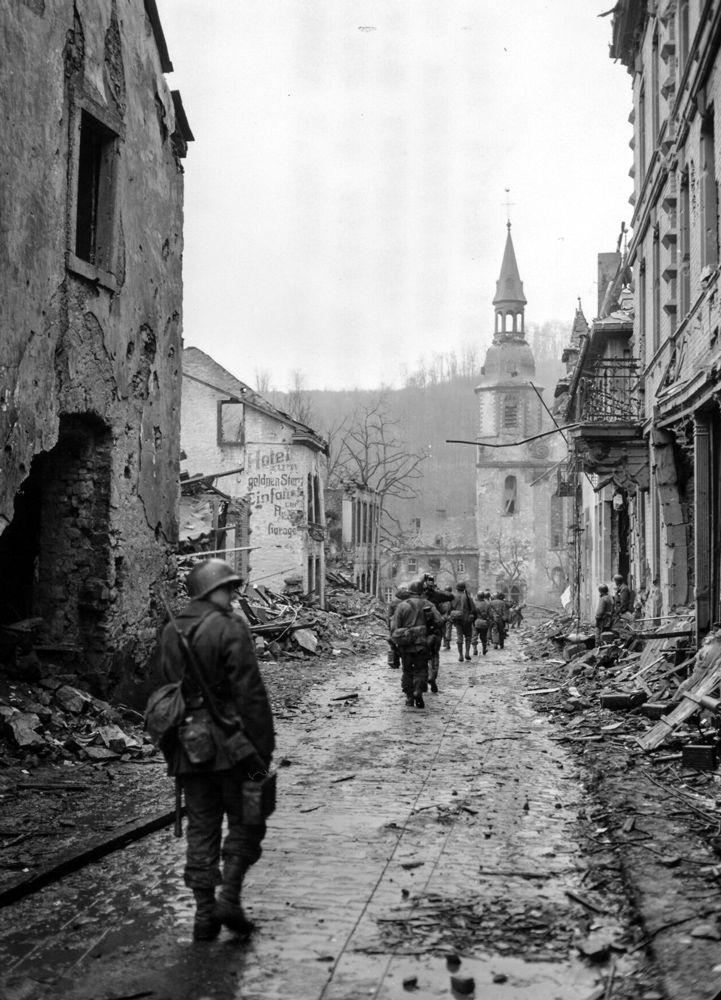
The initial plan for February 10 was for the 8th Infantry to hold the bridgehead and support the 22nd Infantry’s drive on Prüm, though this was delayed when the Germans aggressively counterattacked the bridgehead. The 8th Infantry Regiment’s S-3 (operations) journal noted that as of 1800 hours on February 10, 1945, Company “F” was waiting to be relieved by the 22nd Infantry. Evidently, Evans took the opportunity to write a letter home. The Wilmington Morning News reported that the last letter Evans’s family received was dated February 10, 1945: “He said that he had recovered from leg wounds and was in action again.” Journal-Every Evening stated of the same letter: “He told his father he was hiding out in an old building near the front lines.”
A division after action report stated that on February 11, 1945, “At 0815 the enemy attacked CT [Combat Team] 8 in the vicinity of Willwerath, using two infantry companies supported by an initial artillery preparation, tanks, and assault guns. This attack was repulsed without loss of ground.”
The regimental S-3 journal later that afternoon noted that 2nd Battalion was moving as of 1510 hours. That evening, Evans and his comrades took up positions at Olzheim, Germany, northeast of Prüm, relieving elements of the 87th Infantry Division. Field Order No. 78, Headquarters 8th Infantry Regiment, issued at 1900 hours that evening, stated that the 4th Infantry Division’s mission was to defend the line between Olzheim and Watzerath. As such, the 8th Infantry Regiment and attachments were in a defensive posture, with 2nd Battalion on the left, 3rd Battalion on the right, and 1st Battalion in reserve.
At 2215 hours that night, 2nd Battalion’s commanding officer reported to regimental headquarters that the enemy had launched a counterattack in his sector. The enemy hit 2nd Battalion from the east with an estimated strength of three companies supported by mortar and artillery. By 0050 hours on February 12, 2nd Battalion reported that the attack had been stopped, but that some enemy infantry may have penetrated the town. 2nd Battalion spent the morning mopping up Olzheim, clearing houses and basements of these infiltrators.

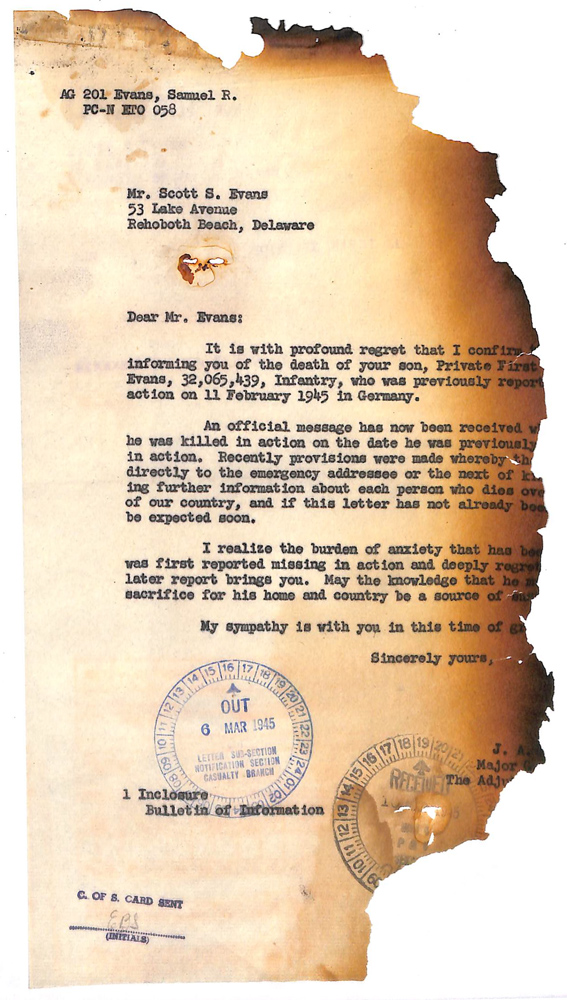
Private 1st Class Evans was reported missing in action as of February 11, 1945. In fact, he had suffered a fatal gunshot wound to the chest in combat, most likely during the German counterattack. He was buried at a temporary military cemetery at Foy, Belgium, on February 23, 1945. His personal effects included a cigarette lighter, five photos, three souvenir coins, and a ring made from a foreign coin.
The Wilmington Morning News reported that Scott Evans was notified on February 28, 1945, that his son was missing in action, and received confirmation of his death on March 4. After the war, in 1948, Scott Evans requested that Private 1st Class Evans’s body be repatriated to the United States. His casket returned to the New York Port of Embarkation from Antwerp, Belgium, aboard the Liberty ship Barney Kirschbaum. On the night of April 25, 1949, Evans’s casket left New York by train, accompanied by a military escort, Corporal John J. Kelly. After arriving at Lewes, Delaware, the following morning, Corporal Kelly turned the body over to the undertaker.
On April 27, 1949, Evans was buried at the Epworth Methodist Cemetery in Rehoboth Beach. Journal-Every Evening reported there was “a full military service conducted by the Rehoboth Veterans of Foreign Wars. The Rev. Clarence Strickland was the minister.”
During his military career, Private 1st Class Evans earned the Purple Heart with one oak leaf cluster and the Combat Infantryman Badge. He is honored at Veterans Memorial Park in New Castle, Delaware.
Notes
53 Lake Avenue
It is unclear when the Evans family moved to 53 Lake Avenue, though it would appear to be in the early 1920s. On April 16, 1918, Evans’s mother, Ella, purchased a parcel of land at 53 Lake Avenue for $50. It appears there were no structures on the land at that time. A bill of sale dated July 23, 1920, stated that Ella Evans had purchased for $150,
a three fourths interest, of, in and to all that certain two story frame dwelling house owned by Samuel Riley, Deceased, late of Rehoboth, Sussex County, Delaware and being situate [sic] during his life time at the head of Rehoboth Bay in Lewes and Rehoboth Hundred, Sussex County, Delaware, but now being situate on Lot No. Fifty Three (53) Lake Avenue, Rehoboth, Sussex County, Delaware.
Those records suggest that Evans had purchased the land first and later had a nearby home moved onto the parcel.
When Ella Evans died, the property at 53 Lake Avenue passed to her three children. After they came of age, on December 23, 1940, Evans and his siblings sold the property to their father and stepmother for the nominal price of $1.
Service Number
Duplicate service numbers occasionally occurred. Notably, a cohort of selectees inducted at Trenton in January 1941 later had their service numbers reissued to draftees at the induction center in Newark, New Jersey, in April 1941. Evans’s service number, 32065439, was issued to Charles M. Foltyn.
Military Occupational Specialty
Morning reports and rosters could document both military occupational specialty (M.O.S.) and duty codes. Sometimes listed only one or the other. Adding to the confusion, morning reports sometimes listed a single code without specifying whether it was duty or M.O.S.
Of course, in many cases the duty a soldier performed the same duty as the M.O.S. he was qualified in. It was inefficient to train someone to drive a tank or fire an antitank gun and then put him in a rifle company. Of course, military necessity meant that often happened since casualties riflemen were always in high demand. Even a soldier with training and years of experience as a truck driver, for instance, could easily end up as a rifleman when the unit he was assigned to had enough truck drivers but not enough riflemen.
Evans’s first known M.O.S. code was 745, rifleman, though rosters indicate he performed other duties pertaining to driving and vehicle maintenance. Later, when going overseas, it was listed as 345, light truck driver, suggesting he had been reclassified at some point. At the time he was wounded in July 1944, his M.O.S. or duty code—which it one was not specified—was listed on a morning report as 745, rifleman. A medical document preserved in his B-file, written during his convalescence, also described him as a rifleman. When he rejoined his unit in February 1945, his duty or M.O.S. code was listed as light truck driver. It is unclear if he assumed that duty or resumed his previous duty of rifleman. Although no member of a frontline rifle company was safe, especially during a violent counterattack like 2nd Battalion was subjected to on February 11, 1945, riflemen were in considerably more danger than truck drivers and more likely to come under direct fire, making it likely that Evans assumed that duty. Evans’s service record booklet, which might have clarified matters, was not preserved in his B-file at the National Archives in St. Louis.
Acknowledgments
Special thanks to Barbara Russell Evans for contributing photos and documents, to Nick Trommelen for information about the 8th Infantry Regiment during combat near Prüm, and to the Delaware Public Archives for the use of their photo.
Bibliography
“Action Against Enemy, Reports After/After Action Reports.” March 12, 1945. World War II Operations Reports, 1940–48. Record Group 407, Records of the Adjutant General’s Office. National Archives at College Park, Maryland. https://mcoecbamcoepwprd01.blob.core.usgovcloudapi.net/library/MicroFilm/film/D1-D630/D328_I2170-2182.pdf
“B-29 Radio Man Missing From Saipan.” Journal-Every Evening, March 6, 1945. https://www.newspapers.com/article/175918578/
Batens, Alain S. and Major, Ben. “34th Evacuation Hospital Unit History.” WW2 US Medical Research Centre website. https://www.med-dept.com/unit-histories/34th-evacuation-hospital/
Batens, Alain S. and Major, Ben. “42d Field Hospital Unit History.” WW2 US Medical Research Centre website. https://www.med-dept.com/unit-histories/42d-field-hospital/
Batens, Alain S. and Major, Ben. “91st General Hospital Unit History.” WW2 US Medical Research Centre website. https://www.med-dept.com/unit-histories/91st-general-hospital/
“Bill of Sale: Elizabeth Murch et al to Ella L. Evans.” July 23, 1920. Delaware Land Records, 1677–1947. Record Group 4555-000-030, Recorder of Deeds, Sussex County. Delaware Public Archives, Dover, Delaware. https://www.ancestry.com/imageviewer/collections/61025/images/31303_236495-00608
Blumenson, Martin. United States Army in World War II European Theater of Operations: Breakout and Pursuit. Originally published in 1961, republished by the Center of Military History, United States Army, 1993. https://history.army.mil/portals/143/Images/Publications/catalog/7-5.pdf
Census Record for Samuel Evans. April 2, 1930. Fifteenth Census of the United States, 1930. Record Group 29, Records of the Bureau of the Census. National Archives at Washington, D.C. https://www.familysearch.org/ark:/61903/3:1:33S7-9R4Z-KMG
Census Record for Samuel Evans. April 17, 1940. Sixteenth Census of the United States, 1940. Record Group 29, Records of the Bureau of the Census. National Archives at Washington, D.C. https://www.familysearch.org/ark:/61903/3:1:3QSQ-G9MR-M9DD
Census Record for Samuel R. Evans. January 6, 1920. Fourteenth Census of the United States, 1920. Record Group 29, Records of the Bureau of the Census. National Archives at Washington, D.C. https://www.familysearch.org/ark:/61903/3:1:33S7-9R6C-ZFR
Certificate of Birth for Hazel Dorothy Evans. February 1, 1919. Record Group 1500-008-094, Birth Certificates. Delaware Public Archives, Dover, Delaware. https://www.familysearch.org/ark:/61903/3:1:S3HT-D4X3-KG7
Certificate of Birth for Samuel R. Evans. June 20, 1916. Maryland State Archives. https://archive.org/details/reclaim-the-records-maryland-birth-certificates-1914-1922-sm-35-1/Reclaim_The_Records_-_Maryland_Birth_Certificates_-_1914-1922_-_SM35-sr3169/page/n1897/mode/2up
Certificate of Death for Ella L. Evans. January 3, 1923. Delaware Death Records. Bureau of Vital Statistics, Hall of Records, Dover, Delaware. https://www.familysearch.org/ark:/61903/3:1:3Q9M-C91C-F381-G
Certificate of Marriage for Scott S. Evans and Lucy Carpenter. October 15, 1924. Delaware Marriages. Bureau of Vital Statistics, Hall of Records, Dover, Delaware. https://www.familysearch.org/ark:/61903/3:1:S3HT-6PV9-2DQ
Deed Between Hazel Evans, Samuel Evans, Ella Evans King, Herbert Y. King, Parties of the First Part, and Scott S. Evans and Lucy C. Evans, Parties of the Second Part. December 23, 1940. Delaware Land Records, 1677–1947. Record Group 4555-000-030, Recorder of Deeds, Sussex County. Delaware Public Archives, Dover, Delaware. https://www.ancestry.com/imageviewer/collections/61025/images/31303_236446-00111
Draft Registration Card for Samuel Riley Evans. October 16, 1940. Draft Registration Cards for Delaware, October 16, 1940 – March 31, 1947. Record Group 147, Records of the Selective Service System. National Archives at St. Louis, Missouri. https://www.familysearch.org/ark:/61903/3:1:3Q9M-CSMG-XYLM
Enlistment Record for Charles M. Foltyn. April 9, 1941. World War II Army Enlistment Records. Record Group 64, Records of the National Archives and Records Administration. National Archives at College Park, Maryland. https://aad.archives.gov/aad/record-detail.jsp?dt=893&mtch=2&cat=all&tf=F&q=32065439&bc=&rpp=10&pg=1&rid=2801248&rlst=2734986,2801248
Enlistment Record for Hazel D. Evans. February 3, 1943. World War II Army Enlistment Records. Record Group 64, Records of the National Archives and Records Administration. National Archives at College Park, Maryland. https://aad.archives.gov/aad/record-detail.jsp?dt=893&mtch=4&cat=all&tf=F&q=evans%23hazel&bc=&rpp=10&pg=1&rid=29057&rlst=29057,52787,5745432,3136332
Enlistment Record for Samuel R. Evans. January 8, 1941. World War II Army Enlistment Records. Record Group 64, Records of the National Archives and Records Administration. National Archives at College Park, Maryland. https://aad.archives.gov/aad/record-detail.jsp?dt=893&mtch=2&cat=all&tf=F&q=32065439&bc=&rpp=10&pg=1&rid=2734986&rlst=2734986,2801248
Evans, Scott S. Individual Military Service Record for Samuel R. Evans. September 21, 1946. Record Group 1325-003-053, Record of Delawareans Who Died in World War II. Delaware Public Archives, Dover, Delaware. https://cdm16397.contentdm.oclc.org/digital/collection/p15323coll6/id/18658/rec/3
Indenture Between “The Commissioners of Rehoboth,” Party of the First Part, and Ella L. Evans, Party of the Second Part. April 16, 1918. Delaware Land Records, 1677–1947. Record Group 4555-000-030, Recorder of Deeds, Sussex County. Delaware Public Archives, Dover, Delaware. https://www.ancestry.com/imageviewer/collections/61025/images/31303_236489-00311
Individual Deceased Personnel File for Samuel R. Evans. Individual Deceased Personnel Files, 1939–1953. Record Group 92, Records of the Office of the Quartermaster General, 1774–1985. National Archives at St. Louis, Missouri. Courtesy of U.S. Army Human Resources Command.
“Initial Roster Hq Co 2nd Bn 113th Inf.” September 10, 1943. U.S. Army Muster Rolls and Rosters, November 1, 1912 – December 31, 1943. Record Group 64, Records of the National Archives and Records Administration. National Archives at St. Louis, Missouri. https://s3.amazonaws.com/NARAprodstorage/lz/st-louis/rg-064/85713803_1940-1943/85713803_1940-1943_Roll-1660/85713803_1940-1943_Roll-1660_02.pdf
“Monthly Personnel Roster Feb 28 1942 Anti Tank Co 113 Infantry.” February 28, 1942. U.S. Army Muster Rolls and Rosters, November 1, 1912 – December 31, 1943. Record Group 64, Records of the National Archives and Records Administration. National Archives at St. Louis, Missouri. https://s3.amazonaws.com/NARAprodstorage/lz/st-louis/rg-064/85713803_1940-1943/85713803_1940-1943_Roll-1659/85713803_1940-1943_Roll-1659_11.pdf
“Monthly Personnel Roster Jul 31 1941 Anti Tank Co 113 Infantry.” July 31, 1941. U.S. Army Muster Rolls and Rosters, November 1, 1912 – December 31, 1943. Record Group 64, Records of the National Archives and Records Administration. National Archives at St. Louis, Missouri. https://s3.amazonaws.com/NARAprodstorage/lz/st-louis/rg-064/85713803_1940-1943/85713803_1940-1943_Roll-1659/85713803_1940-1943_Roll-1659_11.pdf
“Monthly Personnel Roster Jul 31 1942 Anti Tank Co 113 Infantry.” July 31, 1942. U.S. Army Muster Rolls and Rosters, November 1, 1912 – December 31, 1943. Record Group 64, Records of the National Archives and Records Administration. National Archives at St. Louis, Missouri. https://s3.amazonaws.com/NARAprodstorage/lz/st-louis/rg-064/85713803_1940-1943/85713803_1940-1943_Roll-1659/85713803_1940-1943_Roll-1659_11.pdf
“Monthly Personnel Roster Nov 30 1941 Anti Tank Co 113 Infantry.” November 30, 1941. U.S. Army Muster Rolls and Rosters, November 1, 1912 – December 31, 1943. Record Group 64, Records of the National Archives and Records Administration. National Archives at St. Louis, Missouri. https://s3.amazonaws.com/NARAprodstorage/lz/st-louis/rg-064/85713803_1940-1943/85713803_1940-1943_Roll-1659/85713803_1940-1943_Roll-1659_11.pdf
Morning Reports for 42nd Field Hospital. July 1944. U.S. Army Morning Reports, c. 1912–1946. Record Group 64, Records of the National Archives and Records Administration. National Archives at St. Louis, Missouri. https://s3.amazonaws.com/NARAprodstorage/lz/partners/st-louis/rg-064/85713825-wwii/85713825_1944-06/85713825_1944-06_Roll-0601/85713825_1944-06_Roll-0601-23.pdf
Morning Reports for 501st Medical Collecting Company. July 1944. U.S. Army Morning Reports, c. 1912–1946. Record Group 64, Records of the National Archives and Records Administration. National Archives at St. Louis, Missouri. https://s3.amazonaws.com/NARAprodstorage/lz/partners/st-louis/rg-064/85713825-wwii/85713825_1944-07/85713825_1944-07_Roll-0477/85713825_1944-07_Roll-0477-19.pdf
Morning Reports for Antitank Company, 113th Infantry Regiment. January 1941 – January 1942. U.S. Army Morning Reports, c. 1912–1946. Record Group 64, Records of the National Archives and Records Administration. National Archives at St. Louis, Missouri. https://s3.amazonaws.com/NARAprodstorage/lz/partners/st-louis/rg-064/85713825-wwii/85713825_1940-01-thru-1943-07/85713825_1940-01-thru-1943-07_Roll-1688/85713825_1940-01-thru-1943-07_Roll-1688-02.pdf, https://s3.amazonaws.com/NARAprodstorage/lz/partners/st-louis/rg-064/85713825-wwii/85713825_1940-01-thru-1943-07/85713825_1940-01-thru-1943-07_Roll-1688/85713825_1940-01-thru-1943-07_Roll-1688-03.pdf
Morning Reports for Antitank Company, 113th Infantry Regiment. June 1942 – September 1942. U.S. Army Morning Reports, c. 1912–1946. Record Group 64, Records of the National Archives and Records Administration. National Archives at St. Louis, Missouri. https://s3.amazonaws.com/NARAprodstorage/lz/partners/st-louis/rg-064/85713825-wwii/85713825_1940-01-thru-1943-07/85713825_1940-01-thru-1943-07_Roll-1688/85713825_1940-01-thru-1943-07_Roll-1688-03.pdf, https://s3.amazonaws.com/NARAprodstorage/lz/partners/st-louis/rg-064/85713825-wwii/85713825_1940-01-thru-1943-07/85713825_1940-01-thru-1943-07_Roll-1688/85713825_1940-01-thru-1943-07_Roll-1688-04.pdf
Morning Reports for Casual Detachment No. 2, 18th Replacement Depot. June 1944. U.S. Army Morning Reports, c. 1912–1946. Record Group 64, Records of the National Archives and Records Administration. National Archives at St. Louis, Missouri. https://s3.amazonaws.com/NARAprodstorage/lz/partners/st-louis/rg-064/85713825-wwii/85713825_1944-06/85713825_1944-06_Roll-0470/85713825_1944-06_Roll-0470-19.pdf
Morning Reports for Company “A,” Shipment No. GP-180(a) 2. May 1, 1944. U.S. Army Morning Reports, c. 1912–1946. Record Group 64, Records of the National Archives and Records Administration. National Archives at St. Louis, Missouri. https://s3.amazonaws.com/NARAprodstorage/lz/partners/st-louis/rg-064/85713825-wwii/85713825_1944-05/85713825_1944-05_Roll-0757/85713825_1944-05_Roll-0757-08.pdf
Morning Reports for Company “D,” 14th Replacement Battalion, 4th Replacement Regiment. April 1944. U.S. Army Morning Reports, c. 1912–1946. Record Group 64, Records of the National Archives and Records Administration. National Archives at St. Louis, Missouri. https://s3.amazonaws.com/NARAprodstorage/lz/partners/st-louis/rg-064/85713825-wwii/85713825_1944-04/85713825_1944-04_Roll-0230/85713825_1944-04_Roll-0230-08.pdf
Morning Reports for Company “F,” 8th Infantry Regiment. February 1945. U.S. Army Morning Reports, c. 1912–1946. Record Group 64, Records of the National Archives and Records Administration. National Archives at St. Louis, Missouri.
Morning Reports for Company “F,” 8th Infantry Regiment. July 1944. U.S. Army Morning Reports, c. 1912–1946. Record Group 64, Records of the National Archives and Records Administration. National Archives at St. Louis, Missouri. https://s3.amazonaws.com/NARAprodstorage/lz/partners/st-louis/rg-064/85713825-wwii/85713825_1944-07/85713825_1944-07_Roll-0774/85713825_1944-07_Roll-0774-14.pdf
Morning Reports for Company “G,” 1229th Reception Center. January 1941. U.S. Army Morning Reports, c. 1912–1946. Record Group 64, Records of the National Archives and Records Administration. National Archives at St. Louis, Missouri. https://catalog.archives.gov/id/442042138?objectPage=566, https://catalog.archives.gov/id/442042138?objectPage=568
Morning Reports for Company “H,” 113th Infantry Regiment. August 1943. U.S. Army Morning Reports, c. 1912–1946. Record Group 64, Records of the National Archives and Records Administration. National Archives at St. Louis, Missouri. https://s3.amazonaws.com/NARAprodstorage/lz/partners/st-louis/rg-064/85713825-wwii/85713825_1943-08/85713825_1943-08_Roll-0007/85713825_1943-08_Roll-0007-05.pdf
Morning Reports for Company “K,” 1229th Reception Center. January 1941. U.S. Army Morning Reports, c. 1912–1946. Record Group 64, Records of the National Archives and Records Administration. National Archives at St. Louis, Missouri. https://s3.amazonaws.com/NARAprodstorage/lz/partners/st-louis/rg-064/85713825-wwii/85713825_1940-01-thru-1943-07/85713825_1940-01-thru-1943-07_Roll-2855/85713825_1940-01-thru-1943-07_Roll-2855-09.pdf
Morning Reports for Detachment of Patients, Hospital Plant 4113. July 1944. U.S. Army Morning Reports, c. 1912–1946. Record Group 64, Records of the National Archives and Records Administration. National Archives at St. Louis, Missouri. https://s3.amazonaws.com/NARAprodstorage/lz/partners/st-louis/rg-064/85713825-wwii/85713825_1944-07/85713825_1944-07_Roll-0677/85713825_1944-07_Roll-0677-15.pdf
Morning Reports for Detachment of Patients, Hospital Plant 4143. July 1944. U.S. Army Morning Reports, c. 1912–1946. Record Group 64, Records of the National Archives and Records Administration. National Archives at St. Louis, Missouri. https://s3.amazonaws.com/NARAprodstorage/lz/partners/st-louis/rg-064/85713825-wwii/85713825_1944-07/85713825_1944-07_Roll-0679/85713825_1944-07_Roll-0679-16.pdf, https://s3.amazonaws.com/NARAprodstorage/lz/partners/st-louis/rg-064/85713825-wwii/85713825_1944-07/85713825_1944-07_Roll-0679/85713825_1944-07_Roll-0679-17.pdf
Morning Reports for Detachment of Patients, Hospital Plant 4145. July 1944. U.S. Army Morning Reports, c. 1912–1946. Record Group 64, Records of the National Archives and Records Administration. National Archives at St. Louis, Missouri. https://s3.amazonaws.com/NARAprodstorage/lz/partners/st-louis/rg-064/85713825-wwii/85713825_1944-07/85713825_1944-07_Roll-0680/85713825_1944-07_Roll-0680-03.pdf
Morning Reports for Headquarters 18th Replacement Depot. May 1944 – June 1944. U.S. Army Morning Reports, c. 1912–1946. Record Group 64, Records of the National Archives and Records Administration. National Archives at St. Louis, Missouri. https://s3.amazonaws.com/NARAprodstorage/lz/partners/st-louis/rg-064/85713825-wwii/85713825_1944-05/85713825_1944-05_Roll-0765/85713825_1944-05_Roll-0765-09.pdf, https://s3.amazonaws.com/NARAprodstorage/lz/partners/st-louis/rg-064/85713825-wwii/85713825_1944-06/85713825_1944-06_Roll-0470/85713825_1944-06_Roll-0470-17.pdf
Morning Reports for Headquarters Company, 2nd Battalion, 113th Infantry Regiment. November 1943 – April 1944. U.S. Army Morning Reports, c. 1912–1946. Record Group 64, Records of the National Archives and Records Administration. National Archives at St. Louis, Missouri. https://s3.amazonaws.com/NARAprodstorage/lz/partners/st-louis/rg-064/85713825-wwii/85713825_1943-11/85713825_1943-11_Roll-0150/85713825_1943-11_Roll-0150-26.pdf, https://s3.amazonaws.com/NARAprodstorage/lz/partners/st-louis/rg-064/85713825-wwii/85713825_1943-12/85713825_1943-12_Roll-0108/85713825_1943-12_Roll-0108-09.pdf, https://s3.amazonaws.com/NARAprodstorage/lz/partners/st-louis/rg-064/85713825-wwii/85713825_1944-01/85713825_1944-01_Roll-0359/85713825_1944-01_Roll-0359-12.pdf, https://s3.amazonaws.com/NARAprodstorage/lz/partners/st-louis/rg-064/85713825-wwii/85713825_1944-02/85713825_1944-02_Roll-0149/85713825_1944-02_Roll-0149-19.pdf, https://s3.amazonaws.com/NARAprodstorage/lz/partners/st-louis/rg-064/85713825-wwii/85713825_1944-03/85713825_1944-03_Roll-0349/85713825_1944-03_Roll-0349-14.pdf, https://s3.amazonaws.com/NARAprodstorage/lz/partners/st-louis/rg-064/85713825-wwii/85713825_1944-04/85713825_1944-04_Roll-0296/85713825_1944-04_Roll-0296-12.pdf, https://s3.amazonaws.com/NARAprodstorage/lz/partners/st-louis/rg-064/85713825-wwii/85713825_1944-04/85713825_1944-04_Roll-0296/85713825_1944-04_Roll-0296-13.pdf
Morning Reports for Headquarters Company, 2nd Battalion, 113th Infantry Regiment. September 1942 – July 1943. U.S. Army Morning Reports, c. 1912–1946. Record Group 64, Records of the National Archives and Records Administration. National Archives at St. Louis, Missouri. https://s3.amazonaws.com/NARAprodstorage/lz/partners/st-louis/rg-064/85713825-wwii/85713825_1940-01-thru-1943-07/85713825_1940-01-thru-1943-07_Roll-1688/85713825_1940-01-thru-1943-07_Roll-1688-19.pdf, https://s3.amazonaws.com/NARAprodstorage/lz/partners/st-louis/rg-064/85713825-wwii/85713825_1940-01-thru-1943-07/85713825_1940-01-thru-1943-07_Roll-1688/85713825_1940-01-thru-1943-07_Roll-1688-20.pdf
Morning Reports for Headquarters & Headquarters Detachment, 2nd Battalion, 113th Infantry Regiment. December 1941 – August 1942. U.S. Army Morning Reports, c. 1912–1946. Record Group 64, Records of the National Archives and Records Administration. National Archives at St. Louis, Missouri. https://s3.amazonaws.com/NARAprodstorage/lz/partners/st-louis/rg-064/85713825-wwii/85713825_1940-01-thru-1943-07/85713825_1940-01-thru-1943-07_Roll-1688/85713825_1940-01-thru-1943-07_Roll-1688-17.pdf, https://s3.amazonaws.com/NARAprodstorage/lz/partners/st-louis/rg-064/85713825-wwii/85713825_1940-01-thru-1943-07/85713825_1940-01-thru-1943-07_Roll-1688/85713825_1940-01-thru-1943-07_Roll-1688-18.pdf, https://s3.amazonaws.com/NARAprodstorage/lz/partners/st-louis/rg-064/85713825-wwii/85713825_1940-01-thru-1943-07/85713825_1940-01-thru-1943-07_Roll-1688/85713825_1940-01-thru-1943-07_Roll-1688-19.pdf
“Narrative History 4th Infantry Division Chapter III Normandy Campaign.” Undated, c. 1945. World War II Operations Reports, 1940–48. Record Group 407, Records of the Adjutant General’s Office. National Archives at College Park, Maryland. https://mcoecbamcoepwprd01.blob.core.usgovcloudapi.net/library/MicroFilm/film/D1-D630/D328_I2170-2182.pdf
Official Military Personnel File for Samuel R. Evans. Official Military Personnel Files, 1912–1998. Record Group 319, Records of the Army Staff. National Archives at St. Louis, Missouri.
“Operations 4th Division Between Carentan and Periers July 6 to 15.” Undated, c. 1944. World War II Operations Reports, 1940–48. Record Group 407, Records of the Adjutant General’s Office. National Archives at College Park, Maryland. https://mcoecbamcoepwprd01.blob.core.usgovcloudapi.net/library/MicroFilm/film/D1-D630/D328_I2170-2182.pdf
“Pay Roll of Hq. Co. 2nd Bn 113th Infantry For month of November, 1943.” November 30, 1942. U.S. Army Muster Rolls and Rosters, November 1, 1912 – December 31, 1943. Record Group 64, Records of the National Archives and Records Administration. National Archives at St. Louis, Missouri. https://s3.amazonaws.com/NARAprodstorage/lz/st-louis/rg-064/85713803_1940-1943/85713803_1940-1943_Roll-1660/85713803_1940-1943_Roll-1660_01.pdf
“Pay Roll of Hq. Co 2nd Bn. 113th Infantry For month of September, 1943.” September 30, 1942. U.S. Army Muster Rolls and Rosters, November 1, 1912 – December 31, 1943. Record Group 64, Records of the National Archives and Records Administration. National Archives at St. Louis, Missouri. https://s3.amazonaws.com/NARAprodstorage/lz/st-louis/rg-064/85713803_1940-1943/85713803_1940-1943_Roll-1660/85713803_1940-1943_Roll-1660_05.pdf
“Peninsula Deaths.” Wilmington Morning News, January 25, 1950. https://www.newspapers.com/article/175264220/
“Pfc Samuel R. Evans Reburial Services Held.” Journal-Every Evening, April 28, 1949. https://www.newspapers.com/article/175244738/
“PFC Samuel Riley Evans.” Find a Grave. https://www.findagrave.com/memorial/39437322/samuel_riley-evans
Report of Induction for Samuel Riley Evans. January 8, 1941. Courtesy of Barbara R. Evans.
“Rhineland Campaign January 26, 1945 – March 9, 1945.” Undated, c. 1945. World War II Operations Reports, 1940–48. Record Group 407, Records of the Adjutant General’s Office. National Archives at College Park, Maryland. https://mcoecbamcoepwprd01.blob.core.usgovcloudapi.net/library/MicroFilm/film/D1-D630/D328_I2170-2182.pdf
S-3 Journal for 8th Infantry Regiment. February 8–12, 1945. World War II Operations Reports, 1940–48. Record Group 407, Records of the Adjutant General’s Office. National Archives at College Park, Maryland.
“Soldier, Navy Man Slain; 4 Wounded.” Wilmington Morning News, March 6, 1945. https://www.newspapers.com/article/175272205/
Stanton, Shelby L. World War II Order of Battle: An Encyclopedic Reference to U.S. Army Ground Forces from Battalion through Division 1939–1946. Revised ed. Stackpole Books, 2006.
Trommelen, Nick. “The Drive on Prüm.” Im Westen website. https://imwesten.com/drive-on-pruem/
Last updated on July 7, 2025
More stories of World War II fallen:









To have new profiles of fallen soldiers delivered to your inbox, please subscribe below.
 Delaware's World War II Fallen